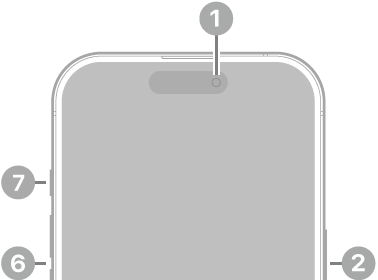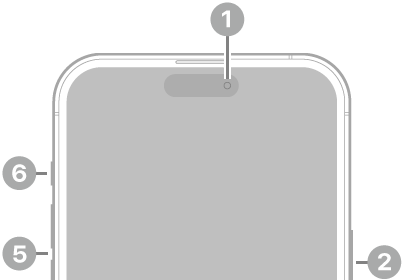






Rumors are swirling about the 2025 iPhone already. Here’s everything we’ve heard about the iPhone 17 range so far, including the rumored iPhone Air!
It doesn’t take long for iPhone rumors to circulate. It’s one of the most iconic and influential tech gadgets of all time, and everyone wants to know what’s coming next. That Apple is so secretive only heightens the appeal of iPhone rumors and leaks.
So it should come as little surprise that iPhone 17 rumors, leaks, and info started to circulate months before the iPhone 16 was even formally announced. Here’s everything we know so far, but don’t take any of it as solid info: even when early rumors are accurate, plans can change, and nothing is ever certain until Apple announces it.
Analyst Ming-Chi Kuo reiterates that Apple intends to equip the iPhone 17 Pro, and potentially even iPhone 17, with 12GB of RAM.
iPhone 17 release date: When is the next iPhone coming out?
Here’s something we do know: The new iPhone lineup is almost always announced in September–usually on a Tuesday in the second week of September, to be specific. So we would expect the iPhone 17 line to be announced on or around September 9, 2025. Here’s when the most recent models were released:
- iPhone 15: September 12, 2023
- iPhone 14: September 7, 2022
- iPhone 13: September 14, 2021
- iPhone 12: October 13, 2020 (delayed due to Covid)
Historically, preorders for the iPhone begin on the Friday after the announcement, and the phones ship a week later. On occasion, some specific models may ship a couple of weeks later than others due to production issues.
iPhone 17: Price
The iPhone 17 Air could be priced at $899, which is the current price for the iPhone 16 Plus. At $899, the iPhone 17 Air would be more expensive than the iPhone 17, but less expensive than the iPhone 17 Pro. The iPhone 17 is expected to start at $799, and the iPhone 17 Pro will start at $999.
iPhone 17: Colors
In April, Majin Bu reported that the iPhone 17 Pro models will come in a new and "irresistible" sky blue color. That would be the second product with that color, following the M4 MacBook Air.
The iPhone 16 comes in five colors including Ultramarine, Teal, Pink, White, and Black. The iPhone 16 Pro comes in Desert Titanium, Natural Titanium, White Titanium, and Black Titanium, which are reminiscent of the classic gold and space gray options. There were rumors that the iPhone 16 would also come in purple, so perhaps that’s in the pipeline for 2025.
iPhone 17: New slimmer ‘iPhone 17 Air’ model
Multiple rumors have suggested that Apple is working on an all-new version of the iPhone for 2025, with the device expected to have a "significantly thinner" design than current iPhone models. It won’t be a direct replacement for the "Plus" iPhone that Apple has released for the last several years, but we aren’t getting an iPhone 17 Plus this year in order to make room for the new iPhone 17 Air.
We’ve heard Apple’s new super thin iPhone referred to as the "iPhone 17 Slim" or the "iPhone 17 Air," but we don’t know what Apple will actually call the new iPhone when it launches in 2025. iPhone 17 Air seems to make the most sense given that Apple already has a MacBook Air and an iPad Air and uses the name to distinguish those devices from higher-end Pro models.
The placeholder names reference the sleeker, thinner design of the device. Rumors have not exactly agreed on size, and we’ve heard everything from 5mm thick to a bit over 6mm thick. With the 12.9-inch M4 iPad Pro that came out last year, Apple was able to get the size down to 5.1mm and it became the company’s thinnest device to date, but there’s not as much space inside the much smaller iPhone body, so Apple won’t likely be able to hit that level of thinness.
Bloomberg’s Mark Gurman believes the iPhone 17 Air will be about two millimeters thinner than the current iPhone 16 Pro. The iPhone 16 Pro is 8.25mm thick, so an iPhone 17 that is 2mm thinner would come in at around 6.25mm. Apple analyst Ming-Chi Kuo believes that the iPhone 17 Air will be 5.5mm thick at its thinnest point, and his wording suggests that it would have a thicker rear camera bump area that exceeds the size of the 5.5mm chassis.
Analyst Jeff Pu has also suggested that the upcoming iPhone will be around 6mm thick, but The Information has said it will be between 5mm and 6mm thick. Even if we go with the thickest 6.25mm rumor, the iPhone 17 Air will be the thinnest iPhone to date. The iPhone 6, which measured in at 6.9mm, is the thinnest iPhone Apple has released so far. iPhones actually got thicker with the iPhone X and beyond, as Apple needed more space for the battery, camera lenses, Face ID hardware, and more.
As for overall display size, the iPhone 17 Air is expected to fall somewhere between the iPhone 17 Pro and 17 Pro Max in size. Separate rumors have targeted 6.55 inches, 6.6 inches, and 6.65 inches as the diagonal display size that Apple has settled on, which would make it smaller than the iPhone 17 Pro Max, but larger than the 17 Pro.
The Information claims the rear camera of the device will be relocated from the upper left side of the iPhone to the center of the device. The camera setup was described as a "large, centered camera bump" on the back of the device. Such a design has been seen in an alleged component leak and in dummy models, plus we’ve heard similar rumors about the iPhone 17 Pro.
The iPhone 17 Air will include MagSafe charging, a Camera Control button, and an Action Button, based on dummy models of the device that have been circulating.
iPhone 17: Cameras
All iPhone models coming in 2025 are rumored to havean upgraded 24-megapixel front-facing camera, which is an improvement over the 12-megapixel front-facing camera in the iPhone 16 models. The camera will notably improve image quality, and allow for more cropping in without a loss of quality.
The iPhone 17 Pro Max is expected to feature a 48-megapixel Wide camera, a 48-megapixel Ultra Wide camera, and a 48-megapixel Tetraprism Telephoto camera, which will make it the first iPhone to feature three 48-megapixel cameras, and it is also expected to support 8K video recording for the first time.
The iPhone 17 Air will have a single-lens 48-megapixel rear camera, while the standard iPhone 17 will have a dual-lens camera system with a Wide camera and an Ultra Wide camera.
The iPhone 17 Pro models could feature a mechanical aperture that will let users adjust the size of the camera aperture, changing the amount of light reaching the lens. Current iPhone models have fixed apertures, but a variable aperture will let images be captured with shallow depth-of-field.
The iPhone 17 Pro models might also support dual video recording, a feature that would allow users to record video with the front and rear cameras simultaneously. Some apps already support this functionality, which is useful for content creators, but the built-in camera does not.
The iPhone 17 Pro and iPhone 17 Pro Max will continue to include a 5x Telephoto optical zoom lens, and it will still be a Pro-exclusive feature. The standard iPhone 17 and the iPhone 17 Air will not have the 5x zoom option and will have no Telephoto lenses.
iPhone 17: Rumored specs and features
Various rumors suggest that the new iPhones could benefit from the following updates:
Design and display
The always-on display is supposed to finally be available on the non-Pro models. In addition, some believe that ProMotion will come to the non-Pro models, since the same LPTO technology that enables the always-on display is what makes ProMotion possible, in Apple’s iPhone implementation. If true, it would be the first time Apple has offered ProMotion on a non-Pro device.
Apple is also said to be working with Corning on a new anti-glare and scratch-resistant glass for the iPhone 17 lineup.
Dynamic Island
The iPhone 17 Pro Max may have a smaller dynamic island. Rumors have changed back and forth–Jeff Pu said the dynamic island (or rather, the hardware "pill" that the island surrounds) will be smaller in the iPhone 17 Pro Max. Then Analyst Ming-Chi Kuo said it will be the same size as current models. Then leaker Digital Chat Station on Weibo said it will indeed be smaller.
Battery and Charging
The upcoming iPhone 17 Pro and iPhone 17 Pro Max could have batteries that are easier to remove, adopting the same technology Apple introduced in the iPhone 16 and 16 Plus. The iPhone 16 and 16 Plus use a type of adhesive that can be loosened with a low-voltage electrical current, but the 16 Pro and Pro Max have standard adhesive.
The iPhone 17 models are expected to support up to 35W wired charging speeds, which means there would be no change from the current charging maximum.
The iPhone 17 Air is expected to have a battery life that’s on par with the current iPhone 16 models despite it’s thinner size.
Processor
We don’t know much about what chips will power the iPhone 17 line, but we expect the high-end models will get an A19 Pro, while the non-Pro models may get a standard or cut-back version of the A19, or perhaps a more souped up variant of the A18.
RAM
Since Apple bumped every iPhone 16 model to 8GB of RAM due to the demands of Apple Intelligence, rumors have suggested Apple will increase the memory in the iPhone 17 Pro models to 12GB. In a report concerning RAM suppliers, Ming-Chi Kuo says that Apple wants the regular iPhone 17 to feature 12GB as well, but supply shortages may be an issue.
Thermal Upgrades
The iPhone 17 Pro models will reportedly use vapor chamber cooling technology for improved thermal performance. Vapor chamber technology disperses heat across a larger surface area to prevent thermal throttling and to keep performance stable, and it could be a benefit for Apple’s high-powered A19 chip.
While this could be a feature limited to the iPhone 17 Pro, there has been a rumor suggesting that Apple will use a vapor chamber heatsink to improve thermal performance across all iPhone 17 models.
Wi-Fi
When it comes to wireless, the cellular modem is likely to still be supplied by Qualcomm; Apple’s own efforts to produce a top-tier 5G modem seem to be stalled and likely won’t be ready in time for next year’s iPhone 17 line. Wi-Fi 7 support seems likely, too.
SIM Tray
Apple will remove the physical SIM slot on iPhones in more countries next year, though it is not yet clear which countries. Apple did away with the SIM card tray in the United States with the iPhone 14 models, but a physical SIM has so far been present on iPhones sold outside of the United States.
The iPhone 17 Air is expected to lack a SIM trayentirely because of how thin it is.