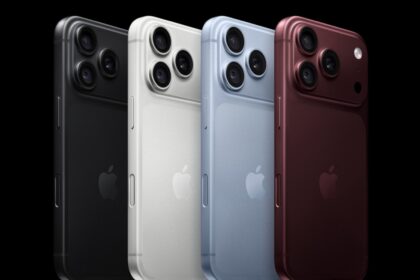





You may sometimes experience iMessage issues after changing the SIM. Did your iPhone 18 Pro or iPhone 18 Pro Max stop receiving iMessages, or are you unable to send iMessages after swapping the SIM? You may sometimes need to switch your SIM if you are traveling internationally so that you can use a local cellular company to avoid roaming charges. I recently changed my SIM card and then put back the original one. I noticed that I was not getting iMessages on my iPhone 18 Pro. If you are having this issue too, the fix is simple. The same issue may occur if you swap your SIM from an old one to a new one, and it happens with eSIMs as well as physical SIM cards. In this article, I explain how I fixed iMessages on my iPhone 18 Pro after swapping SIMs.
Why isn’t iMessage working?
Changing the SIM allows you to use your device on a different cellular network. Your phone uses the SIM to make phone calls and send and receive text messages. iMessage needs an Internet connection to work. However, to activate your phone number with iMessage, you need SMS messaging, and depending on your carrier, you might be charged for this SMS.
It seems that when the SIMs are switched, iMessage may not necessarily be activated automatically. Go to Settings > Apps > Messages > Send & Receive and check if there is a checkmark in front of the phone number. If you are seeing a spinning gear instead, your device automatically attempts to verify your phone number. Changing the SIM may have caused your phone number to not work with iMessage. For iMessage to work, it needs to be activated. There is no need to repeatedly turn iMessage off and on.
If iMessage is not working
Here is how you can fix this problem:
- Go to Settings > General > Date & Time, and ensure your iPhone is showing the correct time zone for your location, then turn on Set Time Automatically, if it is not already.
- Go to Settings, tap Apps, tap Messages, then turn off iMessage.
- Now, restart your iPhone. You can turn off your device by going to Settings > General > Shut Down. Then drag the power-off slider and wait 30 seconds. After turning off your device, press and hold the side button until you see the Apple logo.
- After turning on your device, again go to Settings > Apps > Messages and turn on iMessage. If a prompt appears saying your carrier may charge for the SMS messages used to activate iMessage, tap Turn On.
- Go to Settings > Apps > Messages > Send & Receive and tap the displayed phone number, then check that it now has a checkmark.
If you are seeing the checkmark now, that means that you can send and receive iMessages. Note that it can take up to 24 hours for your carrier to verify your phone number with Apple, so if the checkmark has not appeared yet, give it time before trying anything else.