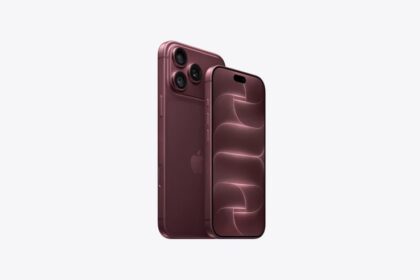



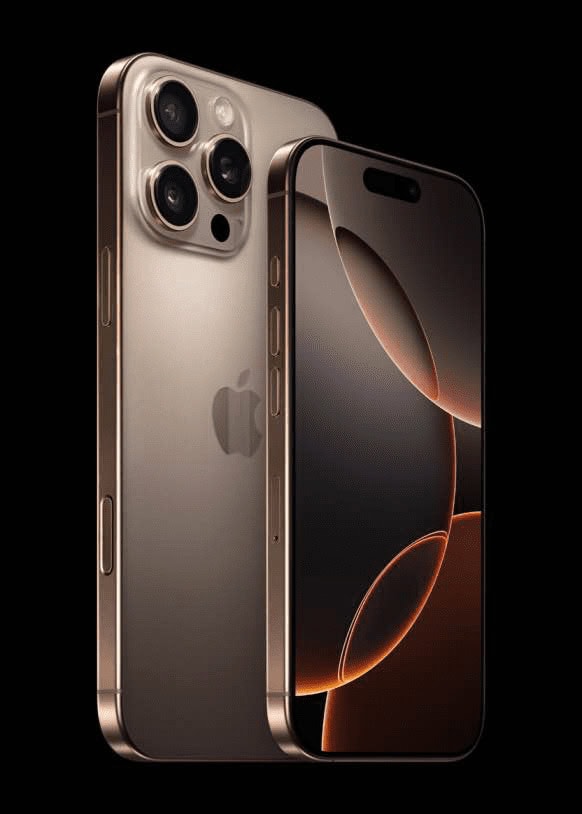
Is your iPhone 16, iPhone 16 Plus, iPhone 16 Pro or iPhone 16 Pro Max not charging when you plug it to power source? Worried it might be the end for your iOS device? If your iPhone 16 or iPhone 16 Pro isn’t charging, follow these tips to figure out why and get it working again.
Users facing this problem notice that there is no chime-in sound when the iPhone is plugged in, and there is no indication that charging is occurring.
You likely don’t give much thought to the act of charging your phone; you simply connect the charging cable and go about your business. However, this changes when your phone refuses to charge upon plugging it in, leading to annoyance or worry and frustrating attempts to troubleshoot the issue.
How to charge an iPhone 16
Here, we’ll go over the basic ways to charge your iPhone 16.
- You can attach the USB-C cable, like the one in the box, to the port on your iPhone and connect it to a power adapter that is compatible. Afterward, plug the charging adapter into a wall socket.
- If you have a USB-C power adapter that is 20W or greater, such as the one included with your Mac laptop, you can use it to expedite the charging of your iPhone.
- You can charge your iPhone by plugging it into the USB-C port on your computer.
- You have the option to connect your iPhone to your TV, Mac, or other computers in order to charge.
- You can charge your iPhone 16 wirelessly.

If iPhone 16 isn’t charging, try the following:
Try Another Cable or Adapter
The iPhone 16, iPhone 16 Plus, iPhone 16 Pro and iPhone 16 Pro Max include a USB-C charging cable designed for fast charging, capable of working seamlessly with USB-C power adapters and computer ports. Ensure that you use this cable. The box does not contain a power adapter, and please ensure to use any compatible USB‑C power adapter.
If you are trying to charge your iPhone with your computer, connect it to a wall socket instead. If it is still not working, try a different power source.
If you are still having the issue, check the cable for signs of damage, and look at the contacts near the connection point too. You may be able to scrape any gunk off the end of the cable, but frays and other damage are a sign that you should replace the cable outright.
Just because a cable doesn’t show any sign of damage, doesn’t mean it’s working. If something has gone wrong inside the cable because it’s old or sustained damage through pinching, it could affect the cable’s ability to carry a charge. It’s always worth replacing the cable to eliminate one possible cause.
It’s also possible for the power adapter to fail, so consider swapping that out too. You don’t need to use the same adapter either, just about anything with a USB-C port should work including a laptop, smart TV, or even your car.
If you find that the power adapter is to blame, consider replacing it with one that supports fast charging. If you have a spare wireless charger around the house, you could try charging using that too.
Let your phone charge for a half hour.
Check the Charging Port
Your iPhone 16 charging port can quickly fill up with dust, lint, and other debris. If the contacts inside the port become obstructed, the phone may not be able to charge properly since it cannot complete the necessary circuit.
Grab a flashlight and carefully inspect the charging port on the bottom of the device. You can then use a pointy object like a wooden toothpick to remove debris from the charging port on the bottom of your device. Frequently plugging in a charging cable can cause the debris to become compacted, so you may need to repeat the process a few times to clean it out completely.
Using a metal object (like a paperclip or SIM tool) may damage the contacts inside the charging port, so be careful if you decide to go that route. A wooden toothpick is much safer since it won’t scratch the contacts (and damage any coating), but you’ll also have to be careful not to snap it inside the port.
You should also watch out for signs of damage inside the charging port. It can be hard to know what you’re looking for, but bent pins and corrosion should be pretty obvious.
After you’ve you’ve cleaned the charging port, firmly plug your charging cable into your phone. If the charging port is damaged, your phone probably needs service.
Let your iPhone charge for another half hour.
Force restart Your iPhone
If your iPhone 16 still won’t charge or displays a battery icon on screen, force restart your phone. The iPhone 16 has a fairly sophisticated charging circuitry, which allows it to safely use more powerful chargers (particularly for fast charging purposes).
Since this is controlled by software, it’s not beyond the realm of possibility that forcing your iPhone to restart could solve the issue.
First, press and release the "Volume Up" button. Then, press and release the "Volume Down" button. Finally, press and hold the "Side" button until you see the Apple logo appear on the screen. It can take up to 30 seconds for the logo to show up.
Once the logo pops up, you can let go of the Side button. Your iPhone will now finish the rebooting process.
Let your phone charge for another half hour.
iPhone 16 not charging wirelessly?
You can also charge your iPhone 16 wirelessly using a MagSafe or other wireless charger. iPhone 16 models support the next-generation Qi2 charging standard. You can try this if you are unable to charge it when using a cable.
To charge your iPhone 16 wirelessly
- Plug in your charger to the power outlet. Use the power adapter that came with your accessory or a power adapter recommended by the manufacturer.
- Place the charger on a level surface or other location recommended by the manufacturer.
- Place your iPhone 16 on the charger with the display facing up. For best performance, place it in the center of the charger or in the location recommended by manufacturer.
- Your iPhone 16 should start charging a few seconds after you place it on your wireless charger.
If you are having problem charging your iPhone 16 wirelessly:
- Try swapping out the cable and USB adapter that you are using with the wireless charger to make sure that they aren’t the reason for your problem.
- Wireless charging uses magnetic induction to charge your iPhone. Don’t place anything between your iPhone and the charger. Magnetic mounts, magnetic cases, or other objects between your iPhone and the charger might reduce performance or damage magnetic strips or RFID chips like those found in some credit cards, security badges, passports, and key fobs. If your case holds any of these sensitive items, remove them before charging or make sure that they aren’t between the back of your iPhone and the charger.
- If your iPhone 16 isn’t charging or is charging slowly and your iPhone has a thick case, metal case, or battery case, try removing the case.
- If your iPhone vibrates—when it gets a notification, for example—your iPhone might shift position. This can cause the charging mat to stop providing power to your iPhone. If this happens often, consider turning off vibration, turning on Do Not Disturb, or using a case to prevent movement.
If you’re still having problems, consider testing your iPhone using a standard charging cable. If nothing works there may be a problem with the charging circuit inside of your iPhone, which will require a more drastic fix.
iPhone 16 charging slowly?
Now that Apple doesn’t include power adapters with new iPhones, you have to supply your own, and it can be a little confusing figuring out what you need specifically to charge your iPhone 16 faster. All of the iPhone 16 models can charge from 0 to 50 percent in approximately 30 minutes. You need Apple’s $19 20W adapter or better to fast charge the iPhone 16, and if you already had an iPhone that could fast charge, you probably have the hardware you need.
iPhones charge fastest when the battery is low, and then charging slows down, so you’ll see the most rapid charging at lower battery levels.
To charge the iPhone 16 faster over Magsafe, you need a 30W or higher power adapter, which Apple sells for $39. Of course, you can use a higher powered power source or a third-party power adapter as long as it delivers at least 30W.
You also need one of Apple’s new MagSafe chargers, which were released alongside the iPhone 16.
iPhone 16 stopped charging at 80 percent?
If your iPhone 16 stopped charging at 80 percent, you might have a charge limit, which stops your iPhone from charging past a set limit. If you want your iPhone 16 to charge past 80 percent, change your charging limit.
- Launch the Settings app.
- Scroll down and tap on Battery.
- Tap on Charging.
- Use the slider to select from a Charge Limit of 80%, 85%, 90%, 95%, or 100%.
- If you select 100%, you have the option to toggle Optimized Battery Charging on or off.
Get help from Apple
If your iPhone 16 still won’t charge, you should contact Apple because a brand new device should charge either wired or wirelessly. It is possible you have a faulty device. If your device has some issues, this will be covered under warranty. You can also take your phone, charging cable, and charging adapter to an Apple Store or Apple Authorized Service Provider for evaluation.