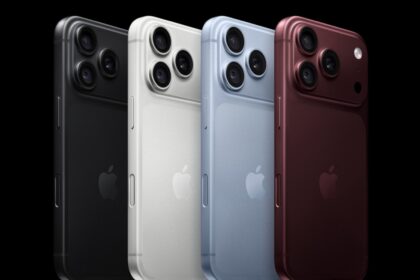





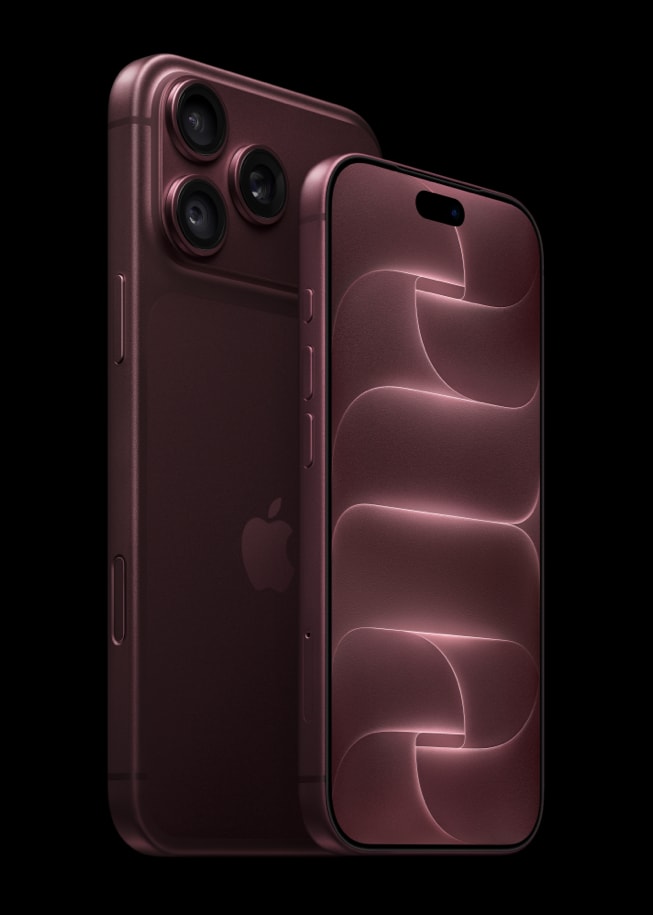
After the recent iOS update on my iPhone 18 Pro, I noticed something unexpected—the keyboard started lagging. Typing out texts or notes felt slow and unresponsive, which was frustrating, especially when typing longer sentences; the keyboard would even freeze up entirely. This lagging issue was particularly problematic when I tried to type fast. I knew previously that some people had experienced this issue in earlier iOS versions, especially when they had two or more languages enabled. But this was the first time I was facing it myself. If you’re dealing with the same issue, don’t worry. I’ve tried a few fixes that have helped me and others regain that smooth typing experience, so let’s go through them together.
1. Restart Your iPhone
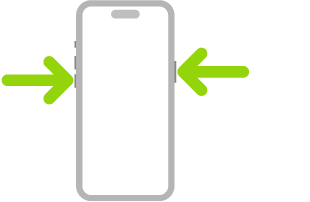
The first thing I tried was simply restarting my iPhone 18 Pro, and it made an immediate difference. Sometimes, after an update, the system needs a quick reset to clear out any lingering issues. To restart your iPhone, press and hold the side button along with either volume button until the “slide to power off” option appears. Slide it off, wait a few seconds, and then turn it back on. For me, this quick fix helped the keyboard feel a bit snappier right away.
2. Remove and Re-add Keyboards
Another effective fix is to remove the keyboard—or keyboards, if you have more than one—and then add them back. I found that having multiple keyboards, especially different languages, seemed to cause more lag. Here’s how you can do it:
- Go to Settings > General > Keyboard.
- Tap Keyboards to see the list of all the ones you have enabled.
- Swipe left on each keyboard to remove it.
- After removing them, tap Add New Keyboard… to re-add the ones you need.
This quick reset can sometimes clear up any glitches with the keyboards themselves. When I tried it, I noticed an improvement in response time.
3. Switch to Dvorak, Then Back to QWERTY
This trick worked surprisingly well for me. Switching the keyboard layout to Dvorak and then back to QWERTY seemed to “reset” something in the keyboard settings and helped with the lag. Here’s how to do it:
- Go to Settings > General > Keyboard > Keyboards.
- Select your current keyboard, then choose Dvorak as the layout.
- After a few seconds, switch it back to QWERTY.
When I tried this, the keyboard responsiveness noticeably improved. It’s a quick fix that doesn’t take much time, so it’s worth a shot!
4. Disable Predictive Text
If you’re still experiencing lag, disabling predictive text can be another helpful fix. Sometimes, the predictive text feature can slow things down, especially if it’s struggling to keep up with my typing speed. Here’s how to turn it off:
- Go to Settings > General > Keyboard.
- Toggle off Predictive Text.
When I disabled predictive text, I noticed a marked improvement in how quickly the keyboard responded. While I do miss some of the suggestions, the smoother typing experience made it worth it.
5. Reset Keyboard Dictionary
If the lag persists, try resetting the keyboard dictionary. Over time, the dictionary learns your typing habits, but it can sometimes build up data that causes lag. Here’s how to reset it:
- Go to Settings > General > Transfer or Reset iPhone.
- Tap Reset and then select Reset Keyboard Dictionary.
- Enter your passcode if prompted, then confirm.
When I reset my keyboard dictionary, I noticed an improvement in typing speed. Just remember that this will erase any saved custom words, so you might need to re-teach the keyboard some of your unique terms.
6. Update to the Latest Version of iOS
Sometimes, the issue can be resolved by updating to the latest version of iOS. Apple frequently releases updates that address bugs and improve performance. To check for updates:
- Go to Settings > General > Software Update.
- If an update is available, tap Update Now.
After updating, I found that my keyboard performance improved significantly. It’s always a good idea to keep your device up to date to ensure you’re getting the best experience.
7. Free Up Storage Space
Having insufficient storage can affect your device’s performance, including keyboard responsiveness. I recommend checking your storage and clearing out unnecessary files:
- Go to Settings > General > iPhone Storage.
- Review your apps and files, and delete any that you no longer need.
After freeing up some space, I noticed a smoother overall experience on my iPhone 18 Pro.
8. Reset All Settings
If the lag continues, resetting all settings can sometimes do the trick. This won’t erase your data, but it will reset preferences like Wi-Fi passwords and wallpaper settings. Here’s how to do it:
- Go to Settings > General > Transfer or Reset iPhone.
- Tap Reset and select Reset All Settings.
- Confirm the reset.
I’ve done this a couple of times when experiencing persistent issues, and it often helps restore functionality.
9. Contact Apple Support
If none of the fixes seem to work, it might be worth reaching out to Apple Support. There could be a more significant issue at play that needs professional assistance. You can chat with them through the Apple Support app or schedule an appointment at a nearby Apple Store.