




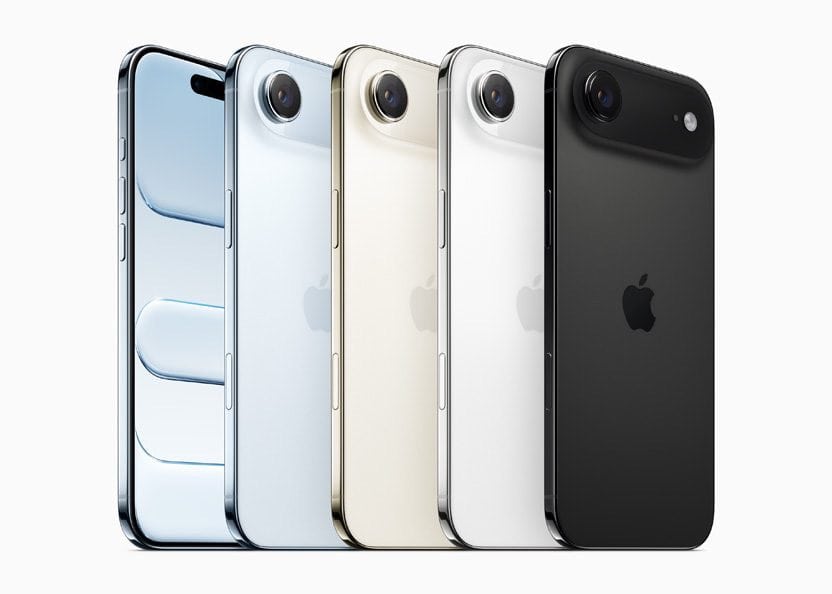
The iPhone Air has a half-glass, half aluminum design with a glass area for MagSafe charging. The rest of the iPhone chassis is aluminum. But unlike a Mac or other laptops, it doesn’t have a heat sink or a fan to regulate the temperature and keep everything cool. When you push it hard, it will generate heat.
But there’s a difference between a device that’s warm to touch and one that’s overheating. We’ll find out the reasons and discuss why your iPhone Air gets hot, along with how to diagnose and fix the problem.
Why Your iPhone Air Gets Hot
When you use your iPhone Air for any length of time, it’ll get warm. That’s perfectly normal and shouldn’t concern you. However, there are some activities that, when carried out for an extended period, may cause your iPhone Air to get too hot. They include:
- Charging and using your iPhone at the same time.
- Streaming a high-quality video.
- Using GPS and real-time navigation controls.
- Setting up your device for the first time or restoring it from a backup.
- Using graphically demanding or processor-intensive apps.
- Leaving the device in a car on a hot day or exposing it to direct sunlight.
When your iPhone Air is overheating, you’ll also likely experience other issues such as:
- Display dimming or going black intermittently.
- Poor call quality.
- Unusable camera flash.
- Graphic-intensive apps stop working properly or, worse, crash on launch.
- Temperature warning messages stating “iPhone needs to cool down before you can use it” or “Charging On Hold.”
- iphone message saying charging on hold
Solutions When Your iPhone Air is too hot
First, it’s important to point out that no method can magically cool down a hot iPhone Air immediately.
The suggested fixes below are mostly about adjusting how you use and care for your device, as well as tweaking some settings to prevent your iPhone Air from getting hot quickly during everyday use.
1. Pause Device Usage for the Heat to Dissipate
The first step is to temporarily stop using your iPhone Air so that your device can cool off properly. So, exit the app you’re using, press the Side) button to put your iPhone to sleep, and leave it alone for 10 to 15 minutes to cool down completely.
To help speed up the process, you can also remove your iPhone case and turn off the device altogether.
To quickly cool down a hot iPhone Air, some people try putting their device in the fridge or directly in front of an air conditioner. You should never do this because sudden changes in the temperature can cause condensation and damage your iPhone’s internal components.
2. Don’t Charge and Use Your iPhone at the Same Time
When the low battery notification pops up while you’re using your iPhone Air, you probably just proceed to charge your device to continue using it. However, charging your iPhone Air while using the device simultaneously will cause it to get hot quickly, especially if you’re playing a graphic-intensive game or using it for activities like video calls.
Unless it’s an emergency, leave your iPhone Air to cool down, as mentioned earlier, and plug in only to charge your device afterward. In the future, it’s best to maintain your iPhone’s battery by planning ahead a little and ensuring that your device is fully charged beforehand.
3. Keep Your iPhone Air Away From Heat
Nowadays, our iPhones accompany us almost everywhere we go. However, when you’re going somewhere without it, make sure you’re not accidentally leaving your device in a place that’s exposed to direct sunlight (like a desk next to the window) or in a car.
In the latter case, temperatures in parked cars can exceed the optimum temperature range and thus cause your iPhone Air to become so hot. Remember to keep your iPhone in a shaded area so that it does not get hot due to external environmental factors.
4. Use Official or MFi-Certified Chargers for Your iPhone Air
Cheap third-party chargers purchased from non-certified sources can also cause your iPhone Air to get abnormally hot during charging.
It’s best to use an official charger made by Apple or a high-quality third-party USB-C cable that comes with the Made for iPhone (MFi) certification. Uncertified and fraying chargers can damage your device and create other problems.
5. Turn Off Background App Refresh
Background App Refresh allows your apps to look for new information all the time. It happens automatically in the background, unknowingly consuming battery and CPU, which may result in your iPhone Air getting hot frequently.
If you’re not a fan of this feature, you can turn off Background App Refresh by going to Settings > General > Background App Refresh > Background App Refresh > Off.
But if you think turning off this feature completely is overkill, you can try to catch the culprit app that’s using the most power. Go to Settings > Battery to examine the battery usage of your apps.
Then, go back to Settings > General > Background App Refresh. Toggle off the feature for apps that consume significant resources in the background.
6. Lower Screen Brightness
If your screen brightness is above 50% or more, your iPhone Air will tend to stay warm at all times and will be more prone to overheating. Therefore, lowering the brightness can help prevent your iPhone Air from getting hot quickly.
Swipe down from the top-right corner of the screen to bring up the Control Center. Then, drag the brightness slider downwards as you see fit.
7. Update Your iPhone and Its Apps
Updates often carry bug fixes and performance improvements that can help resolve the issue when your iPhone Air keeps getting hot. Go to Settings > General > Software Update to check if an iOS update is available. The same applies to third-party apps. It’s best to head to the App Store to update your iPhone apps.
8. Uninstall and Reinstall Problematic Apps
In some cases, updating an app isn’t sufficient to stop the overheating problem. You might need to uninstall and reinstall it again on your iPhone Air.
To uninstall an app, go to your Home Screen, long-tap it, and choose Remove App. Then, tap Delete App when a pop-up appears. Finally, tap Delete to confirm.
After uninstallation, you can reinstall the app on your iPhone Air. If this still doesn’t work, you may also want to send an email to the developer for further investigation.
9. Restart Your iPhone Air and Reset All Settings
The last two methods here are generic but effective fixes that may help resolve the problem if your iPhone Air is still overheating. You can first restart your iPhone Air, which is simply turning off your device and turning it on again.
The other method involves resetting all settings on your device. This returns all settings on your iPhone Air to its default state. No data will be deleted, so you don’t need to worry about losing your photos, videos, or messages.
To reset your iPhone Air, go to Settings > General > Transfer or Reset iPhone > Reset > Reset All Settings. The resetting process can take a while, so it’s best to attempt this when you don’t need to use your iPhone urgently.
Prevent Your iPhone Air From Getting Hot
Your iPhone Air will feel warm to the touch after prolonged use, which is normal. If your iPhone Air is getting excessively hot, stop using it temporarily and give it time to cool down. At the same time, apply some of the tips discussed above to keep your iPhone Air at an acceptable temperature and ensure it doesn’t overheat so frequently.