

iPhone Air
Pros
- Slick, lightweight design
- Surprisingly good battery life (sometimes)
- Impressively durable
- iOS 26 looks great

Cons
- Single rear camera
- Scaled-back speaker
- Only charges up to 20 watts
- High $999 price tag
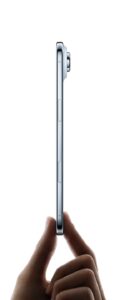
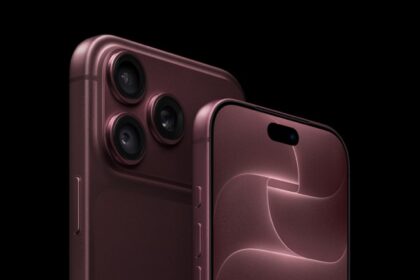
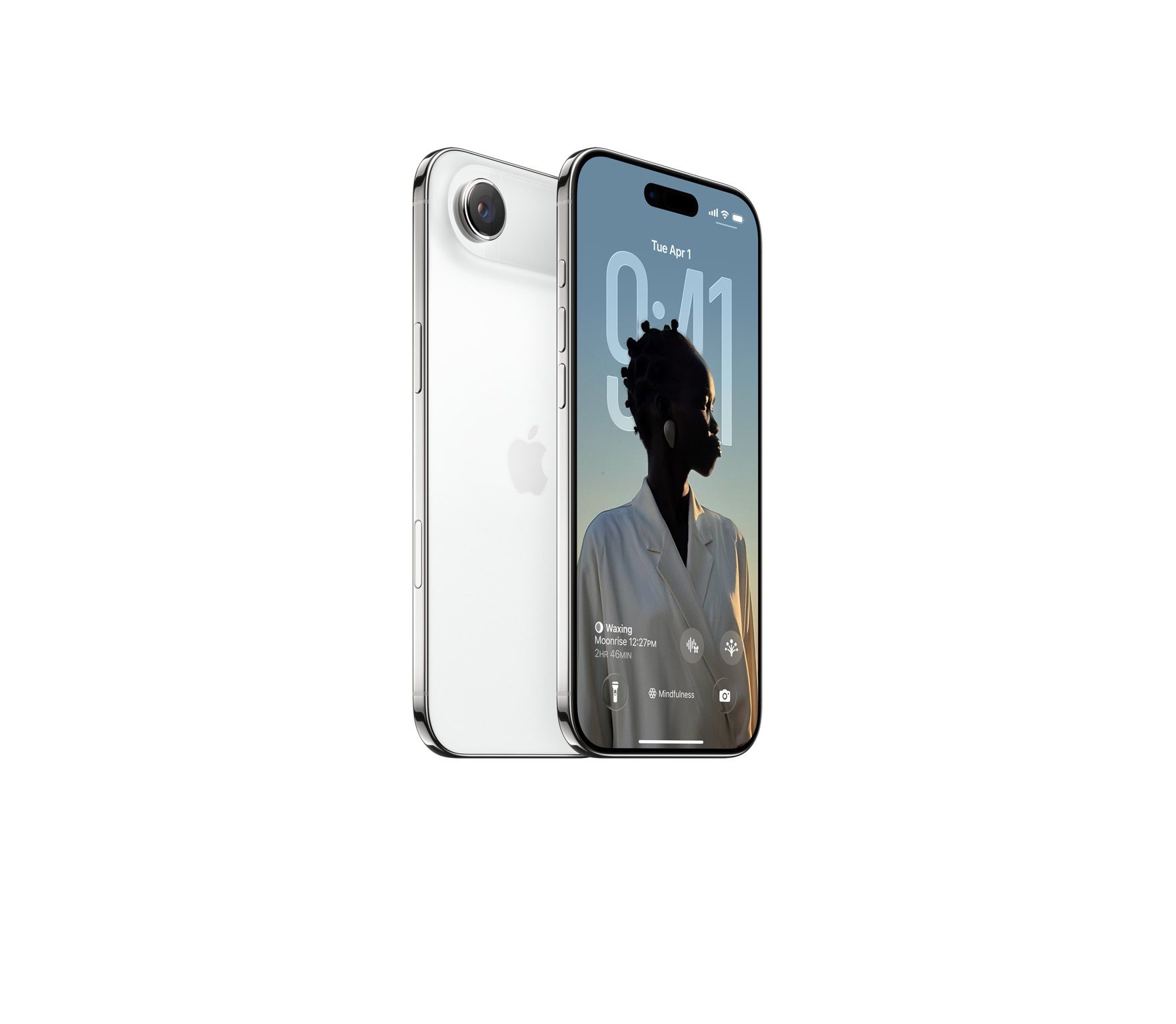
Apple has finally done it — they’ve taken the iPhone lineup in a new direction with the iPhone Air, a device so slim and light that it feels like holding the future in your hand. At just 5.6mm thick and weighing only 165 grams, the iPhone Air isn’t just another yearly upgrade. It’s Apple’s boldest design move in years.
But as with any “first of its kind,” there are trade-offs. After using the iPhone Air for a week, here’s my honest take: it’s sleek, futuristic, and surprisingly durable — but it also comes with some compromises you’ll want to think about before dropping $999.

First Impressions: A Phone That Feels Different
If you’ve used an iPhone 17 or any recent model, the first thing you’ll notice is just how different the Air feels in your hand. The 6.5-inch display sits comfortably between the iPhone 17 and 17 Pro Max, but the curved edges and lightweight frame make it feel more premium than both.
Apple’s design clearly targets those who value portability and style. Compared to Samsung’s Galaxy S25 Edge (another ultra-thin phone), the Air holds its own. And unlike many slim phones from Huawei, Oppo, or Honor, Apple has managed to balance thinness with durability.
Build and Durability: Will It Bend?
That’s the big question, right? A 5.6mm iPhone sounds fragile. But Apple didn’t cut corners here. The titanium frame keeps it rigid, while the Ceramic Shield 2 glass is far more scratch- and crack-resistant than previous generations.
In Apple’s own demo, the iPhone Air withstood 130 pounds of force without bending. In my real-world use (including the classic “back pocket” test), it held up fine. I even dropped it in a fountain during filming, and aside from minor scuffs, it survived.
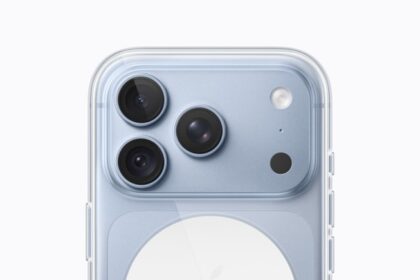
For extra peace of mind, Apple offers a clear MagSafe case that’s less than 1mm thick. It doesn’t ruin the slim profile but evens out the camera bump nicely.
Display and Speakers: Gorgeous, But With a Catch
Finally, Apple has brought 120Hz ProMotion displays to the entire lineup, not just the Pro models. Scrolling feels buttery smooth, animations are fluid, and the always-on display is now standard. Plus, the 3,000-nit peak brightness makes outdoor use effortless.
The downside? Apple had to sacrifice the bottom speaker. The iPhone Air only has one speaker at the top, and while it’s good for calls, music and video sound less immersive. At nearly $1,000, that’s a compromise worth noting.
Cameras: The Missing Ultrafast Shot
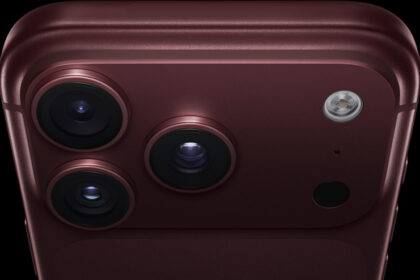
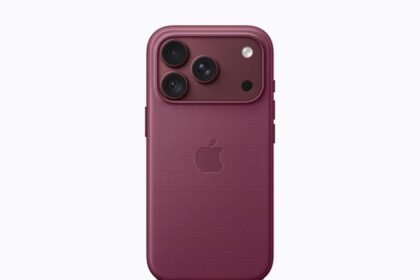
Here’s where minimalism stings the most. The iPhone Air only has a single 48MP wide camera on the back. It takes crisp, vibrant shots, but if you love ultrawide landscapes or telephoto zoom, you’ll miss those options badly.
Cinematic video mode is also gone — something Apple fans have enjoyed on Pro models for years. On the bright side, you still get Night mode, Portrait video, and Smart HDR 5. Selfies look solid with the 12MP TrueDepth front camera, and video recording goes up to 4K at 60fps.
Battery Life and Charging: Better Than Expected
Thin phone = weak battery, right? Not necessarily. The iPhone Air packs a 3,349 mAh battery, and in CNET’s continuous video test, it lasted over 23 hours.
On light to moderate use, I ended the day with 20–30% left. Heavy use (gaming, video streaming, lots of photos) drained it by evening, so power users may need a top-up.
Charging is the real weak spot: only 20W wired charging, compared to 27W on the Pro models. Expect about 50% in 30 minutes. Wireless charging works (15W MagSafe, 7.5W Qi), but again, slower than rivals like Samsung and OnePlus.
iOS 26: Small Touches, Big Impact
Out of the box, the iPhone Air runs iOS 26, which brings some genuinely useful upgrades:
- Vitals app for tracking health metrics.
- Journaling app for daily reflections.
- A redesigned Photos app with smarter search.
- Smart Replies in Messages for instant, AI-powered responses.
These, combined with systemwide improvements like better autocorrect and accessibility options, make iOS 26 feel polished and modern.
iPhone Air vs. the Competition
- Galaxy S25 Edge: Slim and light, but better cameras and faster charging.
- Google Pixel 9 Pro: Still king of photography, plus AI smarts.
- OnePlus 13: Strong performance and blazing charging speeds at a lower price.
The iPhone Air’s biggest advantage? Its design. No other flagship feels this light, slim, and futuristic. But if cameras, charging speed, or all-day endurance matter more, you may want to consider other flagships — or even Apple’s own iPhone 17 Pro.
Final Verdict: Who Should Buy the iPhone Air?
The iPhone Air is a statement piece. It’s Apple showing the world that thin doesn’t have to mean fragile. If you’re someone who values design, portability, and a futuristic feel, this phone will blow you away.
But keep in mind the trade-offs: a single rear camera, weaker audio, and slower charging. At $999, those compromises might sting.
For me? The iPhone Air feels like a breath of fresh air — exactly what its name suggests. It’s not for everyone, but for those who prioritize sleek design and everyday usability over “power features,” it’s one of the most exciting iPhones Apple has ever made.
See also: Reasons why I won’t buy the iPhone Air