


It’s mostly good news for a user-friendly charging scheme.
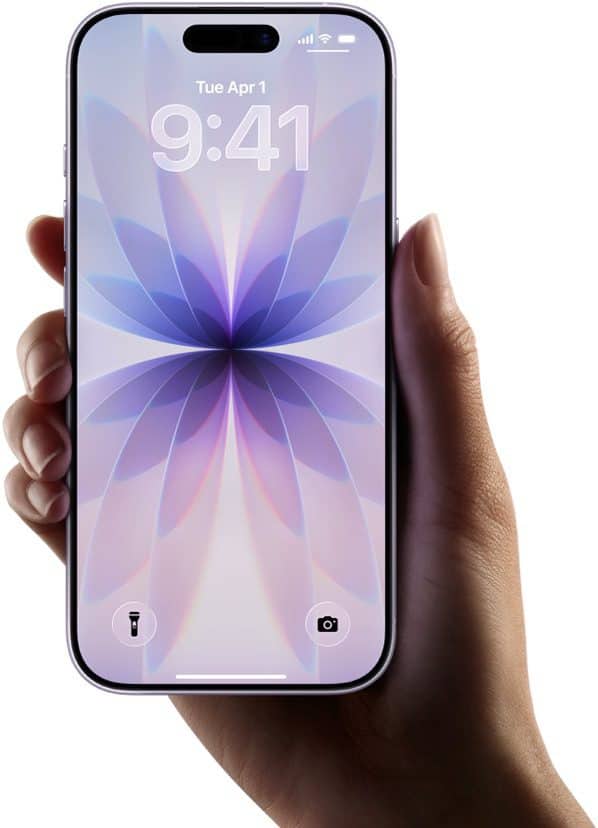
While Apple has (perhaps understandably) downplayed the feature, one of the selling points of the iPhone 17 lineup is its support for USB-C, a cable format enjoyed beyond the company’s walled garden. But if you’re switching from Android or have friends and family on that platform, can you use an Android cable to charge an iPhone 17?
QUICK ANSWER
Yes, you can charge an iPhone 17 with an Android cable. iPhones and Android devices now use USB-C, although you may not be able to charge an iPhone 17 as fast as you would many modern Android products.
Can you charge an iPhone 17 with an Android cable?
The short answer is yes. Android phones have relied on USB-C charging for years at this point and frequently come bundled with an appropriate cable. In fact, they often charge faster than iPhones. With a 40W or higher USB-C adapter, the iPhone 17, 17 Pro, and 17 Pro Max can all charge at up to 40W, hitting 50% in about 20 minutes. The slimmer iPhone Air and the budget iPhone 17e are the slower ones, topping out at 20W.
When did the iPhone switch to USB-C?
The iPhone 17 lineup is the third generation to make the leap, with the iPhone 15 series being the first. Until 2023, the company resisted pressure to switch away from Lightning, which it originally launched alongside the iPhone 5 in 2012. This was frustrating even to many diehard iPhone fans, given that the USB-C spec was finalized in 2014, and other Apple products were using the format within a few years. This forced people to keep separate cables around for their iPhones, held back by Lightning’s inferior specs.
So why did Apple hold out for so long, and what triggered the change? The answer to the first question is that certifying Lightning accessories was profitable for the company, since firms were willing to pay to access the coveted iPhone market. Beyond that, Apple was also presumably hesitant to spend the time and money needed to switch up its designs, production, and supply chain, especially since it would be adopting a format used by all of its other rivals in the smartphone space. A shared standard makes it easier for customers to jump ship. After all, if you’ve spent hundreds of dollars on Lightning accessories, you probably don’t want them rendered useless.
As for the change, Apple didn’t have an option. In 2022, the European Union voted to make USB-C a mandatory standard for wired charging by the end of 2024. Conceivably Apple could’ve released separate designs for Europe, or even abandoned that market, but neither option was likely to be palatable. The decision is also why Apple’s Lightning iPhone SE is gone — it was replaced by the USB-C iPhone 16e in early 2025, with the iPhone 17e now filling that budget slot.