



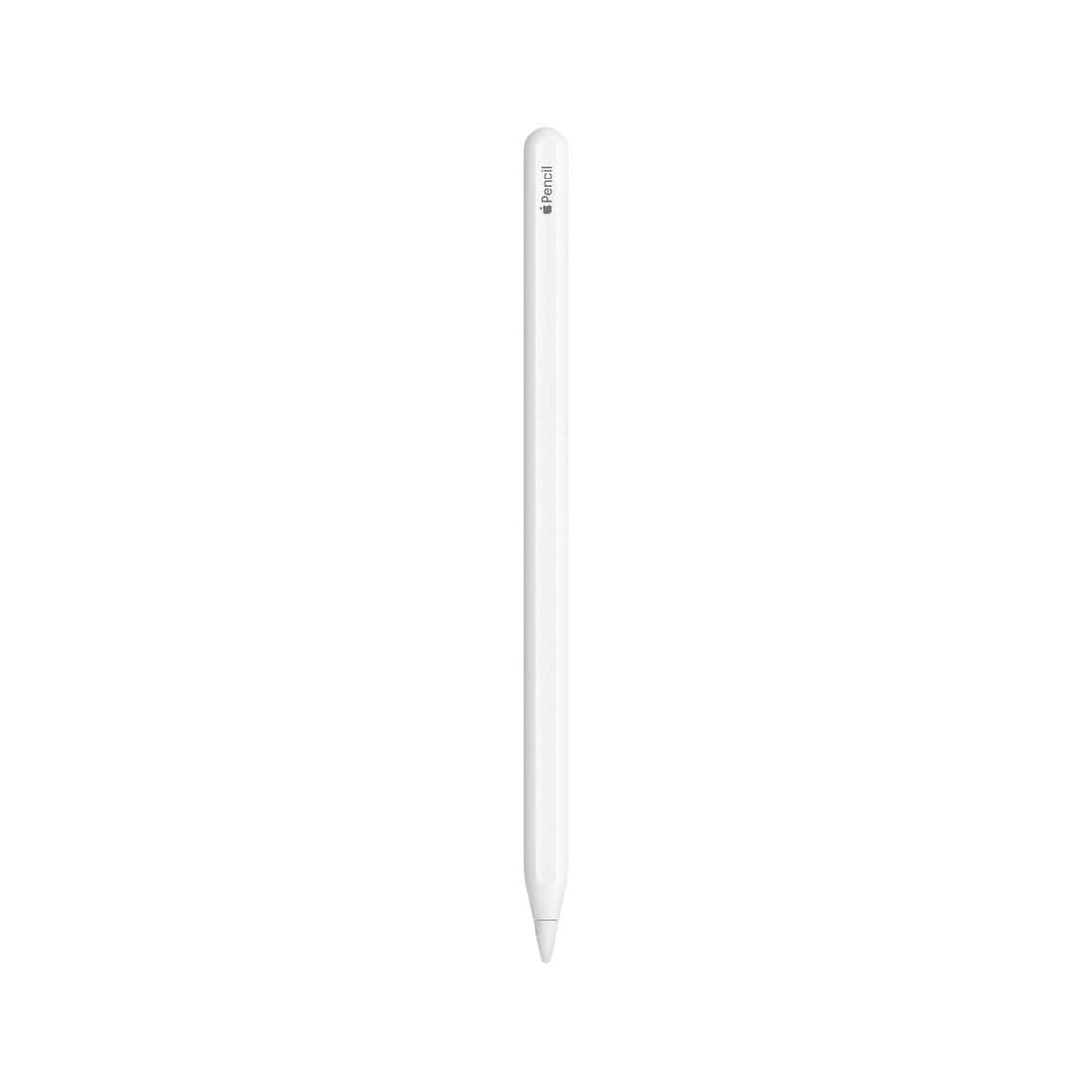
If you’re used to a stylus without batteries, like the Surface Pro Pen or Wacom Pen, then you probably think it’s inconvenient that the Apple Pencil needs to be charged. But there are reasons for this, which have to do with features Apple put in their stylus compared to the competition.
The Wacom Pen uses a proprietary technology based on magnets. It’s powered by an electromagnetic field generated by a sensor under the tablet’s surface. This allows for a wireless experience without the need to charge.
However, there are limitations to this approach. The components needed to power this technology take up quite a bit of space, not only in the pen itself, but also in the tablet, which results in a fairly bulky design.
Additionally, the latency or lag when using these electromagnetic pens is quite significant. Both the bulky design and the lag result in a drawing experience that doesn’t feel very natural, since a pen and paper is much more compact and responsive.
That’s a problem for Apple, who needs their products to feel as natural as possible. So they took a completely different approach with the Apple Pencil, which connects to an iPad via Bluetooth instead of magnets.
Using Bluetooth meant a battery was necessary, which requires charging. But Apple felt the compromise was worth it, since they could make the Apple Pencil more compact than its competition, mimicking the feel of an actual pencil.
Bluetooth, combined with Apple’s software optimization, allowed for ultra-low latency, giving users a digital drawing experience as similar to pencil and paper as possible.
Apple didn’t stop there with their innovation. They knew manually charging the Apple Pencil through an iPad’s Lightning port was less than ideal, so they created a solution with a second-generation model.
The second-generation Apple Pencil featured a new wireless charging coil that allowed the pencil to charge while attached to an iPad, so that users wouldn’t even have to think about keeping the pencil topped up. Apple Pencil Pro, the latest Apple Pencil, is charged the same way.
While it’s inconvenient that Apple’s stylus needs to be charged, its battery-powered technology offers several benefits that aren’t found in its competition.