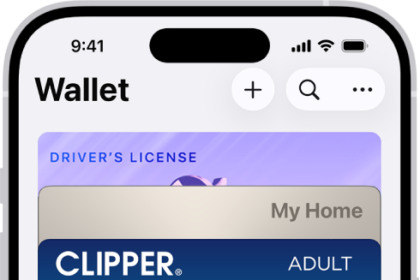





Apple Pay was introduced in 2014 and is now accepted at 85% of US retailers. But the country’s most popular store, Walmart, is missing from that list. So why doesn’t Walmart accept Apple Pay.
Walmart doesn’t accept Apple Pay because they have a payment system of their own.
It started with Current C, a company created by a group of retailers including Best Buy, Target, and Walmart. Their goal was to develop a merchant-owned payment system that bypassed card transaction fees. Instead of paying 2-3% to credit card companies on each purchase, they would use a new payment technique that withdrew money directly from customers’ bank accounts.
Another benefit of Current C was its data collection. Since it came in the form of an app, every user had an account that tracked spending habits. It allowed merchants like Walmart to see where you shop, what health issues you might have based on pharmacy purchases, and even what device you’re using.
Finding a customer profile that made marketing more effective. It was clear that Current C was developed to benefit retailers rather than shoppers. The app had such a weak security system that users’ email addresses were hacked during its beta test period, leading shoppers to distrust and even avoid using Current C altogether.
Just one year later, the program was discontinued, leaving retailers to decide for themselves how to approach contactless payments. Some like Target and Best Buy decided to begin accepting Apple Pay, while others like Walmart preferred to create their own payment solution.
Pivoting from Current C to Walmart Pay, a similar contactless payment system that was built into the company’s app. Shoppers would create an account and present a scannable barcode at checkout. The problem was that Walmart Pay had many of the same issues as Current C, like data collection, questionable security, and the need for a third-party app. But Walmart needed to take this approach, since Apple Pay wouldn’t provide the retailer with customer data, and it wouldn’t eliminate card processing fees, despite being more convenient and secure for shoppers.