




- To fix an iPhone alarm that’s not working on iOS 27, start by checking the alarm’s configuration in the Clock app, such as AM/PM and recurring settings.
- Double check your Apple Watch, if you have one, to make sure it’s not in Mute or Theater mode.
- Here are nine ways to troubleshoot an iPhone alarm that isn’t waking you.
Apple introduced new sound & haptics controls during WWDC26. Under the new settings, alarms, timers, notifications, and other sounds no longer have to follow the same volume slider.
People who lowered notification volume could also lower alarm volume without realizing it. An alarm, a timer, and a text message don’t serve the same purpose, yet iPhone users have adjusted them through the same controls for years.
A kitchen timer may need to be heard from another room while dinner is cooking. A keyboard click or camera shutter sound rarely needs the same level of volume.
In iOS 27, Apple separates those sounds instead of treating them as part of the same group.
But if your alarm is sometimes quiet on iOS 27, that can be a serious problem. Here are nine ways to troubleshoot your iOS 27 alarm issue so you don’t oversleep in the morning.
Double-check the alarm settings
Unfortunately, most of the time when an iPhone alarm doesn’t go off when you expect, the root cause is user error — you probably simply set the alarm incorrectly. The most common errors? Choosing PM instead of AM (or the other way around) or believing the alarm was set to recurring when in fact it was a one-time alarm. So if your alarm is sometimes quiet on iOS 27, check your alarm settings to make sure that they’re correct:
- Open the Clock app and tap the Alarms tab.
- Tap Edit in the upper-left corner.
- Tap the alarm that didn’t go off.
- Check for the proper time, AM/PM setting, and see if it’s set to recur on the days of the week you want. If not, tap Repeat and make the necessary changes. Next, tap Sound to pick a sound that plays when the alarm sounds.
- Tap Done in the upper-right corner.
Check your alarm volume
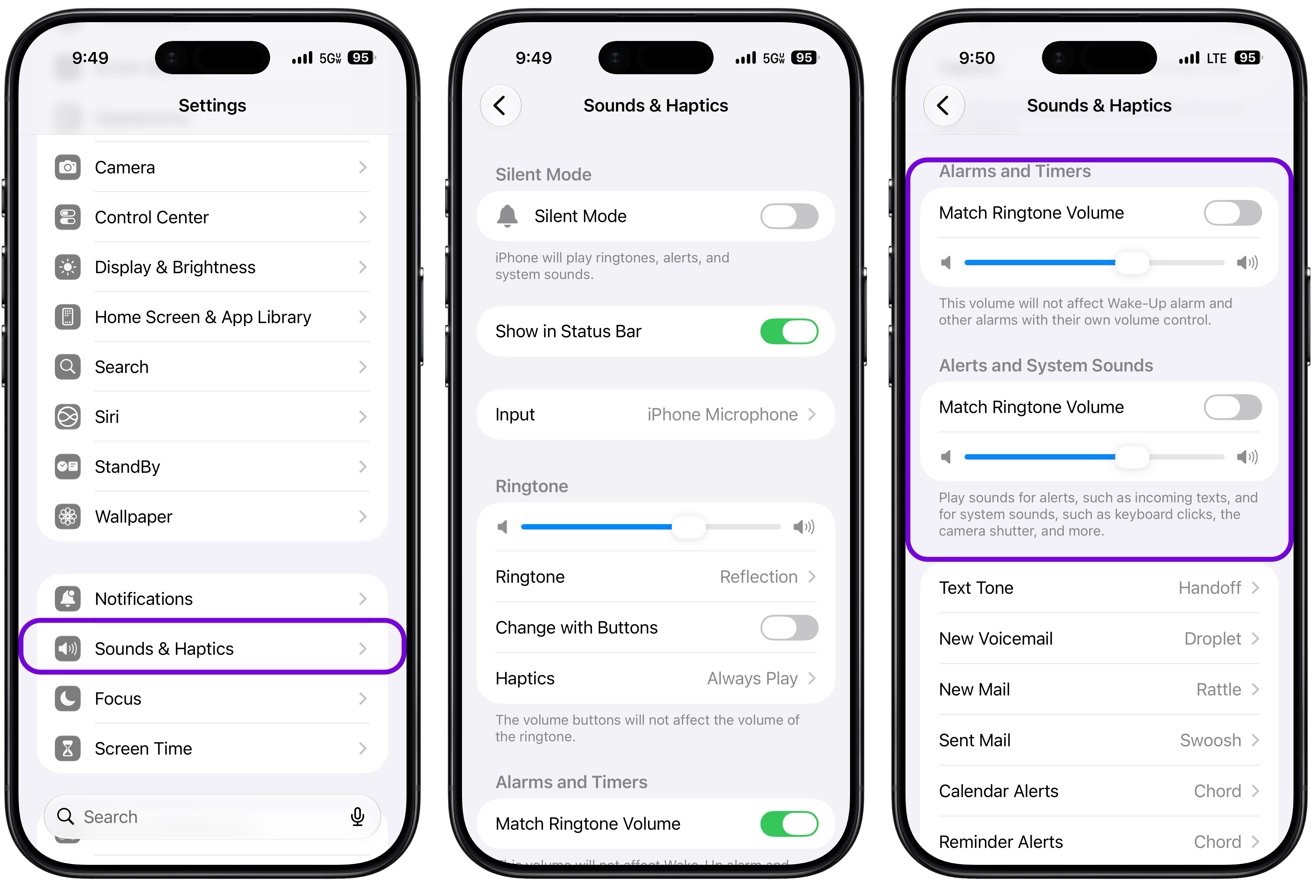
By default, alarm sounds are controlled in the Settings app, not with the volume buttons on the side of the iPhone. Make sure it’s set high enough to wake you — otherwise, the alarm could go off and you simply won’t even know.
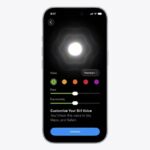
Sounds & Haptics now includes separate sections for Ringtone, Alarms and Timers, and Alerts and System Sounds.
- Open the Settings app and tap Sounds & Haptics.
- Select Alarms and Timers.
- Turn off Match Ringtone Volume.
- Adjust the volume slider for for alarm so it’s loud enough to get your attention in the morning.
- Make sure Change with Buttons is off, with the button swiped to the left, or else you can easily lower the volume of the alarm by accident using the volume buttons.
Use an Apple Watch? Check your settings there
If you use an Apple Watch in conjunction with your phone’s Clock app, certain settings on your watch can interfere with the watch’s ability to gently wake you in the morning when the alarm is scheduled to go off.
First, make sure your Apple Watch isn’t locked. If necessary, enter your passcode on the watch so you can gain access to your watch apps. Then swipe up from the bottom to see the Settings screen and make sure that it is not set to Mute, Theater mode, or Airplane mode. If any of those three icons are selected, tap them to turn them off.
Make sure your phone isn’t connected to a Bluetooth device
If you connect headphones to your iPhone, the alarm plays at a set volume through the built-in speakers on your iPhone as well as wired and wireless headphones. However, an iOS 27 bug may cause audio to only play through a connected audio device, like headphones, earbuds, or a portable speaker that’s in another room. To fix this, ensure there are no connected Bluetooth devices, or simply toggle Bluetooth off and then turn it back on again. Any devices will disconnect and the alarm should play through the iPhone’s speaker.
To do that, open the Settings app then tap Bluetooth. Turn Bluetooth off, then wait about five seconds. Then you can turn Bluetooth back on again (or, if you prefer, simply leave it off).
Restart your iPhone
There might be some sort of glitch in iOS 27 that’s preventing your iPhone alarm from working properly. You can clear out this kind of temporary glitch by turning your iPhone off and then back on again.
Update iOS
There’s also a good chance that the iOS 27 version you are running has a major bug that’s preventing alarms from going off. The remedy? Update your iPhone to the latest iOS 27 version and try the alarm again. Go to Settings ⇒ General ⇒ Software Update. If a new iOS 27 update is available, tap Update Now.
Reset All Settings
It’s possible a deep software problem is preventing your iPhone from making noise when an alarm goes off. Some software issues can be difficult to track down, so we’re going to reset everything.
When you Reset All Settings, everything in the Settings app is restored to factory defaults. You’ll have to pair your Bluetooth devices to your iPhone again and reenter your Wi-Fi passwords.
To reset all the settings on your iPhone, open Settings and tap General ⇒ Transfer Or Reset iPhone ⇒ Reset ⇒ Reset All Settings. If asked, enter your iPhone’s Passcode. Tap Reset All Settings to confirm the reset. Your iPhone will turn off, reset, and turn on again when the reset is complete.
Use a different alarm app
If you have tried everything in this guide and alarms are not going off on iOS 27, it might be time to move on from the Clock app. There are a lot of third party alarm apps for the iPhone, and you can probably find alternatives that you like as well (or better) than the Clock app.
Quick tip: Some of the best alternative alarm apps include Loud Alarm Clock, Alarmy, and Alarm Clock for Me.
See also: iPhone Not Vibrating After iOS 27 Update? How to Fix it
Contact Apple support
If alarms are still not working on your iPhone, you may want to contact Apple Support for assistance.