





If you’ve been following the tech world for a while, you know Apple and Samsung are the frenemies of the electronics industry. On the one hand, they’re fierce competitors—each trying to outdo the other in smartphones, tablets, and wearables. On the other hand, they quietly rely on each other in ways that might surprise the average person.
Yes, Apple—the company famous for its “Designed by Apple in California” slogan—uses Samsung-made components in its devices. And not just in the past, but right now, in some of their latest flagship products including the iPhone 16 models.
Sounds strange, right? Why would Apple, a multi-trillion-dollar company with its own massive R\&D team, turn to a rival for critical parts? Let’s break it down.
A history of unlikely collaboration
Before we get into the why, it’s worth knowing that Apple and Samsung’s relationship goes back decades. Back in the early 2000s, before the iPhone even existed, Apple sourced memory chips and displays from Samsung for iPods and MacBooks. When the first iPhone launched in 2007, Samsung was already one of the few companies capable of manufacturing the kind of high-quality parts Apple needed in large quantities.
Fast forward to today, and the dynamic hasn’t changed as much as you might think—Samsung still supplies some of Apple’s most important components, even as the two battle for smartphone market share around the world.
It’s almost like two rival chefs sharing the same spice supplier because neither wants to compromise on flavor.
Samsung makes some of the best displays in the business
Here’s the thing: Apple doesn’t manufacture most of its own hardware components. It designs them, yes—but the actual production is outsourced to specialized companies. When it comes to OLED displays, Samsung Display is considered the gold standard.
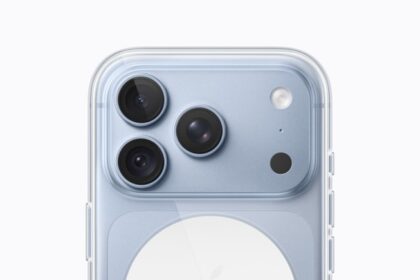
Apple’s iPhone 14 Pro, iPhone 15 Pro and iPhone 16 Pro, for example, feature OLED panels made by Samsung. These displays are bright, sharp, energy-efficient, and capable of deep blacks that make colors pop in a way LCDs simply can’t.
While LG Display and BOE also supply panels for Apple, Samsung often provides the majority—especially for the most advanced models. Why? Because when Apple needs tens of millions of identical, flawless panels with tight deadlines, Samsung can deliver.
The chip connection
It’s not just screens. In earlier years, Samsung was also Apple’s main supplier for the A-series processors that power iPhones and iPads. Apple designed the chips, but Samsung fabricated them using its cutting-edge semiconductor facilities.
Today, most Apple chips are made by TSMC (Taiwan Semiconductor Manufacturing Company). But even so, Samsung remains a major player in memory chips—specifically NAND flash and DRAM—which are critical for storage and performance.
If you’ve ever wondered why your iPhone feels fast and responsive, part of the reason is that those memory modules, often made by Samsung, are among the fastest and most reliable in the industry.
Quality and capacity Apple can count on
One of Apple’s biggest challenges is scale. When you’re selling hundreds of millions of devices each year, you can’t afford delays, quality control failures, or inconsistent supply.
Samsung has something few companies can match: vertically integrated manufacturing. They control everything from raw materials to final assembly for many of their components. This gives them the ability to maintain extremely high quality while meeting massive demand.
Apple could, in theory, rely solely on other suppliers like LG, Sony, or BOE—but those companies don’t always have the same combination of cutting-edge tech and large-scale production capacity. Samsung does.
Competition doesn’t cancel business
Some people find it odd that two companies competing head-to-head in the smartphone market would help each other. But in tech, this isn’t unusual.
Apple doesn’t see Samsung’s component division the same way it sees Samsung’s smartphone division. They’re separate arms of a huge conglomerate. For Samsung, supplying parts to Apple is just good business—it’s a multi-billion-dollar revenue stream.
It’s a bit like Coke and Pepsi both buying their cans from the same metal supplier. On the shelf, they fight for your attention. Behind the scenes, there’s a shared reliance on certain industry resources.
Strategic risk management
Apple isn’t naive. They know relying too heavily on one supplier—especially a competitor—can be risky. That’s why they always have multiple suppliers for critical parts.
For OLED panels, they’ve been bringing LG Display and BOE into the mix. For chips, they’ve leaned heavily on TSMC. But when it comes to the cutting edge—like the most advanced iPhone screens—Samsung often still leads the pack.
Apple’s strategy is simple: work with whoever can provide the absolute best quality at the scale they need, while quietly investing in alternatives so they’re never trapped.
Why not just make their own parts?
It’s a fair question. Apple has the money, the engineers, and the influence—so why not build their own chip fabs and display plants?
The answer comes down to expertise and cost. Building a semiconductor fabrication plant can cost upwards of $20 billion and take years to become operational. OLED manufacturing requires equally specialized knowledge and equipment. Samsung has been refining these processes for decades.
Apple’s business model has always been to focus on design, integration, and user experience—while relying on the best in the industry to produce components. They control the blueprint; others handle the manufacturing.
The lawsuits didn’t end the partnership
Remember the infamous Apple vs. Samsung legal battles over smartphone design patents in the early 2010s? The headlines made it seem like the companies would never work together again.
But behind closed doors, the supply chain kept running. Even while suing each other in court, Apple continued to buy components from Samsung. It was pure pragmatism—cutting Samsung off would have been far more damaging to Apple’s production timelines than swallowing a bit of pride.
The consumer benefits
Whether you’re team iPhone or team Galaxy, the truth is that Apple’s use of Samsung parts benefits consumers. You get industry-leading displays, reliable memory, and overall higher device performance.
It also pushes other suppliers to raise their game. When Apple demands Samsung-level quality from LG or BOE, the whole industry moves forward.
Will Apple ever drop Samsung entirely?
Maybe someday—but not soon. Apple has been reducing its dependence on Samsung slowly, bringing in more suppliers and investing in its own display research. In fact, there are rumors Apple is working on microLED displays that could eventually replace Samsung OLEDs.
But for now, Samsung remains a critical partner. The relationship may be complicated, but it works.
The bigger takeaway
The Apple–Samsung partnership is a reminder that business isn’t always black and white. Rivals can still be collaborators when it makes sense. For Apple, the goal is simple: deliver the best product possible. If that means using parts from their biggest competitor, so be it.
And for Samsung, supplying Apple isn’t about loyalty—it’s about profit, market influence, and staying at the forefront of component technology.
Bottom line: Every time you glance at your iPhone’s stunning OLED display or enjoy its lightning-fast performance, there’s a decent chance you’re benefiting from a part made by Samsung. You might be holding the result of one of the tech industry’s strangest—but most successful—partnerships.
See also: 10 reasons why Android is better than iPhone in 2025