

I’m one of the few people on the planet who have touched an iPhone, Android, and Blackberry. After trying all three, I know which one’s the best. So in this article, I’ll discuss why iPhone is better than Android.
I know this is a bit of a contentious topic—iPhone versus Android, Apple versus Samsung—and in no place does this show more than on forums like Reddit. But it is important to remember that competition, especially between big companies, is only a good thing for you and me, as the ones who decide where to spend our money.
Competition is good because it pushes companies to do better. To give an example, Apple pushes Android to become more reliable, smooth to operate, and provide longer software support, while Android pushes Apple to add more customization, choice, and provide phones at mid-range prices. Though I do admit, Apple in particular can be a bit stubborn.
As a tech reviewer, I have used and tested an extensive list of phones from both sides of the platform, but I only have one main eSIM. And when I’m not using or testing an Android phone, that eSIM is almost always in an iPhone, more specifically, my iPhone 16 Pro Max.
So why does someone like me, who can use any phone, choose to use an iPhone?
Well, this is because there are some key areas where the iPhone just does better than Android.
Here are eight reasons why iPhones are better than Android phones.
Reason #1: Beauty
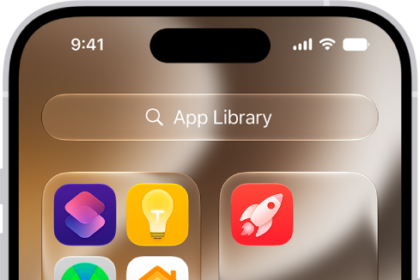
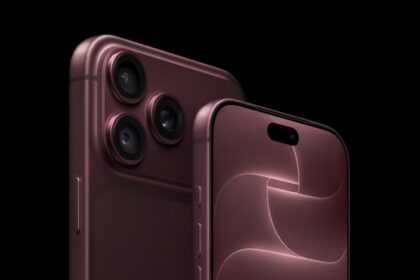
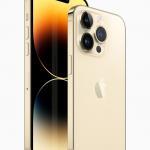
Apple makes some stunning products. The original iPhone was a stunner, and the latest Titanium one is being copied by the competition. There’s a reason that when you Google something like "home office," all the pretty pictures have a Mac in them—it’s because Apple makes beautiful things. Not necessarily practical things, but things that you wouldn’t mind associating yourself with. In contrast, there are a lot of ugly Androids out there. Even the software on iOS looks a bit prettier than Android. The home screen is classy, and all the icons and widgets are polished and nice.
Reason #2: Long-term support
Another reason iPhones are better than Android phones is longer software support. More recent iPhones will get anywhere from six to seven years of software updates. While iPhones oftentimes come with a slightly higher upfront cost, they do last a lot longer than their Android counterparts. If you then take that cost and divide it over the many years that the phone can last, more often than not, you get a better deal and better value out of an iPhone.
To be fair, Android is improving in this area. For example, Google has expanded Pixel support to a full seven years of security updates and OS upgrades. However, it’s worth noting that this by no means represents the entire industry, as most Android phones only get around two to three years of software support.
But why is this? Why do iPhones get so many more years of software support compared to their Android counterparts? Well, there are a few reasons for this. The first is that Apple is in charge of both the hardware and the software, allowing them to optimize both for their phones.
To give you an example, the $599 iPhone 16e includes the same flagship processor as the iPhone 16, as well as the iPhone 16 Plus, which is undoubtedly a fast processor. This doesn’t just translate to great performance today, but also down the road—five, even six years from now—still being able to receive new software updates and features from Apple.
Reason #3: It just works.
The next reason that iPhone is simply better than Android is because it just works the way Apple wants it to. I know this may sound like a marketing line, but believe me, when it comes to the iPhone and Apple in general, more often than not, this is just true. I’ve used both the iPhone 16 Pro Max as well as the Samsung Galaxy S25 Ultra, even Google’s Pixel 9 Pro XL. And believe me, compared to these phones, the iPhone 16 Pro Max — or the iPhone in general—is still smoother to operate. On the iPhone, things like lag, glitches, or app crashes occur far less frequently than they do on any Android phone. This makes the phone feel super smooth to use and operate. Not to mention that system animations, scrolling between pages, or switching between apps are just buttery smooth.
Still on the topic of "it just works," iPhones in general are just easier to use. Now, does this mean less customization than on Android? Yes, but it also means that you don’t get different instances of the same apps. For example, three different web browsers, or two different map apps, or multiple app stores—it just works, and you have one app for each tool. Not to mention that you also don’t get any pre-installed bloatware that so many Android phones come with.
I also found that when it comes to changing settings or finding different functions of the phone, there’s just less digging around in countless menus and settings. iOS on the iPhone is just more consistent and clearly laid out. This makes it easier for those on the Android side who may want to consider switching to iPhone to make that switch. Likewise, it’ll be easier for people who are buying their first smartphone to start with an iPhone.
Reason #4: High Quality Apps.
Another reason iPhones are better than Android phones is their high-quality apps. On the iPhone, you’re generally going to find a better and wider selection of apps. So why is this? It’s not because Apple has 90% of the market share. In fact, they don’t. There are many regions of the world where you have more Android phones than you do iPhones. No, this is because Apple has fewer devices.
Compared to the hundreds of Android phones that are out at any given time, Apple only supports around a dozen or two. And what this means is app developers have to optimize their apps for fewer phones, allowing their app to run better on a few phones rather than somewhat work on hundreds of phones. There are many examples of this, but one that I keep coming back to is Instagram, which is one of the biggest apps out there. When I’m scrolling through my Instagram feed, I can almost instantly tell whether a story or photo is shot on an Android phone compared to an iPhone. Only recently and on a few Android models is Instagram properly optimized. For example, the S24 or the Pixel 9. However, for the vast majority of Android phones, this is not the case. This results in photos, stories, and videos looking far worse on the Android side.
For a similar reason, third-party accessory makers are more likely to come out with their iOS apps first or support them longer than they do their Android apps.
Reason #5: Strong Ecosystem.
Another big selling point for iPhones is the ecosystem. The Apple ecosystem is made up of all the hardware and software that Apple designs and puts out. Virtually all Apple devices, apps, and operating systems are a part of the ecosystem: iPhone, iPad, Mac, Apple Watch, AirPods, Apple TV, iCloud, Apple Music, and so on.
So, when people talk about the Apple ecosystem, they’re actually referring to how well all these products work together.
Ecosystem is both good and bad. From one side, it does make it harder to leave Apple or the iPhone and switch over to Android, but at the same time, it gives you many reasons to stay. For example, I love iCloud. It will automatically sync all of my contacts, photos, and also backup my phone automatically. That way, when I get my newest iPhone, all of my files and data automatically and seamlessly carry over.
I also love AirDrop. AirDrop allows you to share any file between any Apple device. It is wireless, fast, and super reliable. For instance, on a recent holiday with family, since we all had iPhones, we could easily AirDrop our photos to each other.
iPhone also provides the best smartwatch experience by far right now. The same thing can be said for AirPods. Yes, you can also use AirPods on Android, but it’s not the same experience. You don’t get that instant pairing or auto seamless device switching. Again, all of this is possible thanks to the ecosystem that Apple has built—building not just devices that are good on their own, but also devices that can work with each other and thus provide even more functionality.
This seamless switching between Apple devices is a key reason why iPhones are better than Android phones. While other phone manufacturers have tried to create their own ecosystems, none of them have been as successful as Apple.
Reason #6: Ease of Purchase
There are two reasons why iPhones are easier to purchase than Android phones.
Firstly, they only come in four kinds – the base, the Plus, the Pro and the Pro Max model — each with different target markets. This shortened list of options makes choosing the right iPhone for you easier. Compare this to other brands, like Samsung, who have tons of varieties of the same phones with undecipherable names.
Secondly, Apple’s online store is well-organized and easy to navigate, and the company’s retail locations are dotted all over the world, packed with knowledgeable staff to help you make your purchase. In contrast, many Android phone manufacturers’ websites can be difficult to navigate, and their retail locations can be cluttered and overwhelming.
Reason #7: Value retention.
One of the best things about iPhones is their value retention. On average, iPhones hold around 80% of their value after one year, compared to 60% on the Android side. This means if you’ve bought an iPhone for $1,000, it will be sold for around $800 one year later, whereas the Android will only be sold for $600. This doesn’t even mention the Galaxy Fold, which will drop to 30% of its value after just one year.
But why is this? Well, the many years of software support that the iPhone brings means that buying a one or two-year-old iPhone is not a bad idea and can still get you a really good phone and a good opportunity to save some cash. Not to mention that the build quality and materials that the iPhone uses mean that if you take good care of them, they will definitely last. This higher value retention also makes it easier to sell your iPhone and buy the newest iPhone at a lower cost.
Reason #8: Security
When it comes to security, Apple’s smartphones take the lead. Unlike with the iPhones which receive security updates from Apple as soon as they become available, the same can’t be said for most Android phones with the exception of Google’s own Pixel devices. Instead, Android device manufacturers often wait weeks or even months before distributing the search giant’s previously released security updates.
After all of this, is there anything that Android does better than iPhone?
No! No!
I’m just kidding—of course, there is.
Android offers more customization and freedom in terms of having the ability to sideload apps. In addition, Android offers more choices. You get hundreds of phones to choose from at all price ranges. You may even find an Android phone that will outperform the iPhone in a given category, such as display or battery.
But chances are it will fall short in the other key areas where the iPhone provides an eight to nine out of 10 experience on all major factors, from design to display, performance, battery, and of course, the camera. This is what, to me, makes the iPhone a really great all-around phone that is easy to recommend.
Do you agree or do you disagree? Either way, I would love to hear your thoughts in the comments, and let’s have a chat.
Thank you so much for reading.