



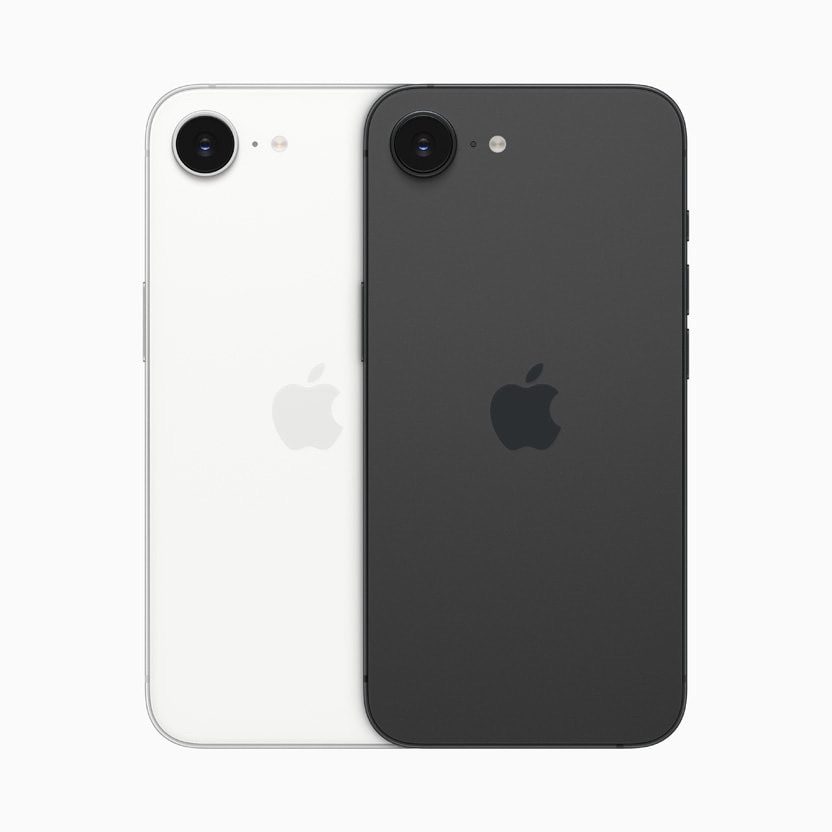
The iPhone 16e is just $599, which is $200 less than the iPhone 16, and many have wondered why it’s cheaper. So let’s take a look at how Apple cut costs and determine if the 16e is actually a good deal.
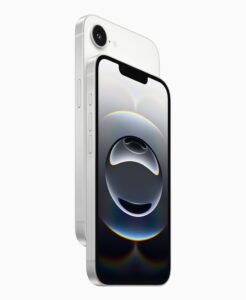
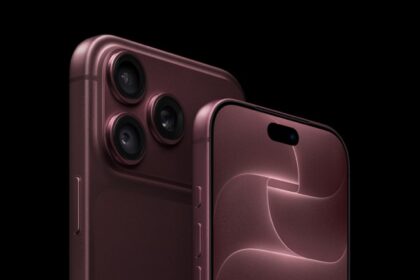
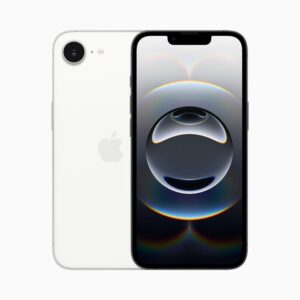
The iPhone 16e shares the same aluminum frame as the iPhone 16, and even has the customizable action button. But one thing that’s missing is the camera control button, which gives you access to certain camera functionality without touching the screen. On the front, the 16e has a notch, while the 16 has a dynamic island. That’s another cost-cutting measure. Since the notch is an older component, it doesn’t offer the same benefits as the newer dynamic island. Like a smaller size that allows for a little extra screen space, and multitasking features that let you do things like control audio, track your uber, or see your timer right at the top of the screen.
The display is the same size on the 16e and 16 at 6.1 inches. They’re also both OLED with a 60Hz refresh rate. But take these phones outside and you’ll notice a huge difference in brightness. That’s because the 16e has a peak brightness of 1200 nits, which is 40% less than the 2000 nits on iPhone 16. That’s a pretty big difference. Especially if you use your phone outdoors on a daily basis.
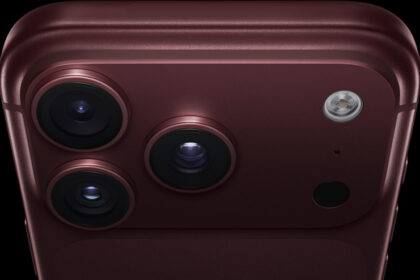
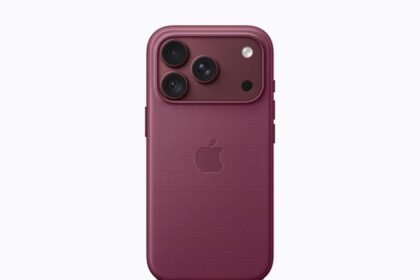
The iPhone 16e only has one camera lens, while the 16 has two. This means you’ll only be able to take photos in one or two times optical zoom, while the 16’s extra lens adds the ability to take 0.5x ultra-wide photos and close-up macro photos. So having just one camera lens was another way Apple could cut costs.
The iPhone 16e uses the same A18 chip as the 16 with one catch. It has a four-core GPU, while the 16 has five. That means the 16e’s processing performance will be the same, but its graphics performance which affects games will be about 15% slower. But one area where the 16e excels is battery life. It delivers up to 26 hours of video playback compared to the 16’s 22 hours. That’s because the 16e has a larger battery compared to the standard iPhone 16. Plus it has a new 5G modem custom designed by Apple called C1, which they say is the most power-efficient modem ever in an iPhone. Drawing between 17 to 24% less power, while also saving Apple money since they no longer have to buy modems from companies like Qualcomm.
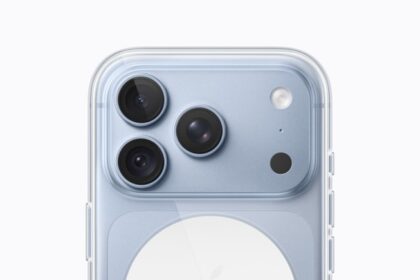
The last difference between the iPhone 16e and iPhone 16 is MagSafe, which is missing from the 16e, and that upset some people. MagSafe has become popular since its introduction in 2020. It not only allows iPhone to magnetically align itself to compatible wireless chargers, but it also allows for some convenient accessories like magnetic wallets, battery packs, charging stands, and car mounts. With iPhone 16e, none of these accessories will work without a MagSafe-compatible case. This may seem like an odd choice, but according to Apple, most people in the 16e’s target audience exclusively charge their phones with a cable. So allegedly including MagSafe would just add extra cost and weight, with no tangible benefit to the average user. And this explanation does make sense when considering the iPhone SE, which used to be the most affordable iPhone model until it was replaced by the 16e. The SE didn’t have MagSafe, and its users rarely utilized wireless charging. And if that is the target audience for the 16e, then leaving out MagSafe likely won’t be an issue for the majority of users. But if you do plan on wirelessly charging, the 16e will take longer to fill up due to its lower 7.5 watt charge rate compared to 25 watts on the iPhone 16.
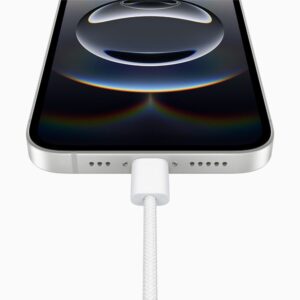
It’s worth asking whether the 16e is a suitable replacement for the iPhone SE. Because at $599, it’s $170 more than the SE’s 128GB model. So what does that higher price get you? Well, you’d be moving from a 4.7 inch LCD screen to a 6.1 inch OLED screen. Which is not only significantly larger, but delivers a much higher contrast ratio. From 1400 to 1 to 2 million to 1. Making colors more vibrant with deeper blacks. There’s also a huge improvement in brightness, jumping from 625 nits on the SE to 800 nits on the 16e, with 1200 nits of peak brightness. Making the screen easier to see outdoors. Touch ID would be replaced by Face ID, which is not only more convenient, but allows for the home button to be removed. Although you’d have to get used to swipe navigation, which may have a learning curve. You’d have a USB-C port instead of lightning, which would likely make charging easier since the same cable could be used for multiple devices. And the older A15 Bionic chip on the SE would be replaced by A18, which is a pretty big performance improvement. The 16e also has 8GB of RAM instead of 4, allowing it to run Apple Intelligence. It also has a much better camera system, going from a 12 megapixel lens on the SE to 48 megapixels, with improved low-light performance, computational photography, and Dolby Vision HDR recording. The front camera is better too, at 12 megapixels instead of 7. And one complaint that persisted with the SE was poor battery life compared to other iPhone models. With 16e, that is solved. Increasing from 15 hours of video playback to 26 hours, an unbelievable jump. There are also features like emergency SOS via satellite and crash detection that flagship iPhones have had for years, but never made it to the lower-cost SE. But now, the 16e has them. It also has the same IP68 water and dust resistance as the 16 compared to the lower IP67 rating on the SE. And if you’ve run out of storage on your SE, you’ll be happy to hear that the 16e has double the space, with 128, 256, and 512 gigabyte options instead of 64, 128, and 256 on the SE, although you lose the red color option being limited to just black and white.
Spending the extra $170 and getting all these updated features with the 16e appears to be a good deal. You get the latest processor, Face ID, a more modern design, a larger OLED display, an improved camera lens, significantly better battery life, support for Apple Intelligence, emergency safety features, and double the storage. But there are compromises to keep the price down, like the lack of MagSafe. But again, the largest audience for the 16e are users upgrading from an older iPhone 11 or 12 or upgrading from the low-cost iPhone SE. They likely don’t need the latest and greatest, since they won’t take advantage of the extra features anyway. But people who do want the best should spend the extra $200 for the iPhone 16, since it gets you an ultrawide camera, the dynamic island, which is one of my favorite features, the camera control button, higher display brightness, MagSafe, and a choice of colors. Including ultramarine, teal, and pink. Which is more fun to look at than black or white.
The iPhone 16e marks a pretty big shift in Apple’s smartphone strategy. With less of a focus on smaller, cheaper models, and more emphasis on providing as many modern features as possible, even if that means charging more. And historically, that’s been the right choice. When Apple did focus on something smaller and cheaper like the iPhone mini, it didn’t sell very well. And they had to end production earlier than expected. Instead, customers chose higher priced models with larger screens and better battery life. Now the iPhone SE was also small with poor battery life. But because it used an outdated design and components from 2017, Apple was able to sell it at an incredibly low price, making it a popular choice for casual users and customers switching from low cost Android phones. Now that Apple has capitalized on that market, they’re slowly raising prices, while offering more features than before.
If you still want the iPhone SE, you can buy them used from websites like eBay or Swappa. But for most casual users on a tight budget, I would recommend getting the 16e instead. Since it offers more modern technology that’ll hold up better over the next 3 to 5 years.