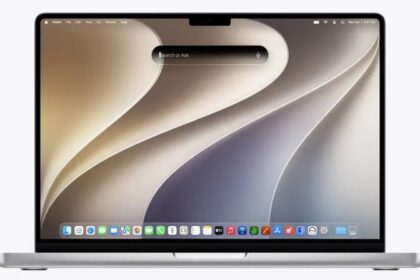






Apple tends to release operating system changes as a two-beat sequence, like our heart going LUB-dub: The LUB beat is a major flex, like the introduction of Liquid Glass across all their operating systems in 2025. This year is a “dub,” a building-or-rebuilding year, in which Apple largely tweaks the previous cycle and offers incremental improvements, though some may feel quite large.
The 2026 set of releases, numbered 27–like car models are numbered in fall for the following year–is a “dub.” We see the rollout of the long-promised Siri upgrade, called Siri AI. Along with its improved performance, Siri AI and Apple Intelligence both extend much more deeply into apps and system functions across nearly all platforms. That’s the flagship feature.
Our iOS 27 guide follows the order you will actually meet those changes: the upgrade itself, then Siri AI, then Apple Intelligence inside the apps, then the interface that changed under you, and so on through to the apps and Apple Pay. Two further sections cover what comes after — keeping the phone safe, and finding it again if it goes missing.
This is a comprehensive guide with all of our coverage, and it’s a useful resource for iPhone and iPad users new to iOS 27 or those who might want a recap on what’s new.
Before you upgrade
Upgrading your device should be a cinch. But iOS 27 and iPadOS 27 have minimum hardware requirements. You won’t be able to upgrade any iPhone or iPad that isn’t a supported model. There are further limitations to using Apple Intelligence, which requires certain processor features and applies only to a subset of iPhones and iPads that can install iOS 27 and iPadOS 27.
- iOS 27 Compatibility: Which iPhones and iPads Can Upgrade
- How to Install iOS 27 and iPadOS 27
- Everything New in iOS 27 and iPadOS 27
- iOS 27 Is Out: 10 Features to Try First
The Siri AI guide
Siri AI is the flagship of this release, and it has a complete guide of its own. Siri spent years seeming like it didn’t quite fit the level of quality Apple aspires to. Worse, the company announced capabilities it wasn’t able to release, and features that have disappointed. You can tell this wasn’t just users carping: more than one head of the Siri effort has left the company altogether.
Apple Intelligence was more of a success, if limited. The company, making use of mostly on-device computation, focused their use of Apple Intelligence on specific tasks within apps or systemwide. I think many of these attempts were boring or unnecessary: generating custom emojis, Image Playground for slightly icky picture generation, and the global Writing Tools, which were worse than many previous generations of non-AI-based assistants.
- What Siri AI Means for Your iPhone and iPad
- Everything New in Siri AI Compared to the Old Siri
- How to Activate the New Siri on iPhone, iPad, Mac, and Watch
- How to Ask Siri AI Follow-Up Questions
- How to Use the New Siri App
- The Siri AI Commands Worth Knowing
- What to Ask Siri AI: Examples That Actually Work
- How Siri AI and Spotlight Merged Into One Field
- Every Siri Setting Worth Changing in iOS 27
- How Siri AI Processing Works, On Your Device and in the Cloud
- The Siri AI Privacy Limits Apple Doesn’t Advertise
- How to Use ChatGPT With Siri AI
- How AI Models Learn, and the Copyright Fight
Apple Intelligence inside the apps
In the iOS 27 and iPadOS 27 updates, Apple expanded the use of Apple Intelligence across more apps and added features to apps that already had some Apple Intelligence support. Apple Intelligence is designed to synthesize information, like creating summaries, as well as generate stuff, such as text or images. Some of the elements are distinctly more useful than others.
- Where to Find Apple Intelligence in Each App
- What’s New in Mail and Messages in iOS 27
- Apple Intelligence in Photos: What’s New in iOS 27
- Safari in iOS 27: Page Summaries, Tab Groups, and More
- What’s New in Reminders and Notes in iOS 27
- Apple Intelligence in Calendar, Maps, and More in iOS 27
- iOS 27: How to Use Intelligent Actions in Shortcuts
- Focus in iOS 27: Reduce Interruptions and Intelligent Breakthrough
- How to Use Write With Siri and Edit With Siri
- How to Ask Siri About What’s On Your Screen in iOS 27
- iOS 27: How to Use Siri Mode in the Camera App
- How to Split a Restaurant Bill With Apple Cash in iOS 27
- The Apple Intelligence Features to Skip in iOS 27
The interface changed under you
Few interface changes Apple has made have been more criticized than their introduction of Liquid Glass in their version 26 operating system releases; few have been more praised than bringing a full-featured windowing environment to iPadOS 26.
Apple has learned from both changes and added maturity to them. Liquid Glass can now be practically disabled—almost turned off with Reduce Transparency—while the iPad received many more minor changes that are welcome, but not critical.
- How to Reduce Liquid Glass Transparency in iOS 27
- What’s New for iPad in iPadOS 27
- 36 New Features in iOS 27 That Are Not AI
Setting it up for children
Over the last few years, Apple has released a number of features that parents can use for children that are aimed at reducing two categories of risk: use of apps parents disapprove of, activities parents want to discourage or limit, and spending money online; and exposure to unwanted contact, images, and videos, as well as preventing children from being able to make unfettered connections or send material to arbitrary people.
- How to Set Up Screen Time and Parental Controls in iOS 27
- iOS 27 Blurs Gore and Violence for Children
Accessibility
Accessibility is a catch-all term for a large number of features, apps, and adjustments that Apple designs to improve access to kinds of things that may be harder for some people, whether due to motor limitations, eyesight or hearing, or the language they speak.
Many of these features can benefit a much larger group of people than any narrowly defined as “disabled”; automatic, high-quality captioning of video content is a great example, as is having a voice read text aloud from webpages or describe images.
- The Apple Intelligence Accessibility Features in iOS 27
- The Action Button Feature Apple Promised and Hasn’t Shipped
Communications
Following significant overhauls to their three communications apps in iOS 26, iPadOS 26, and macOS 26—FaceTime, Messages, and Phone—Apple has relaxed a bit with changes in the 27 series of releases. Here’s what you should pay attention to.
- What’s New in FaceTime, Messages, Phone and Wi-Fi in iOS 27
- Live Translation in iOS 27: FaceTime, Phone, and Messages
The apps, one by one
Beyond the big changes, many apps in iOS 27 and iPadOS 27 received smaller tweaks or modest new features.
Apple Pay and Wallet
Apple also made one systemwide change so far that I can tell you about, with big updates to Apple Pay and point-of-sale payments.
Keeping it safe
An upgrade is a good moment to check the settings you set once and then forget. These come from a separate guide to securing Apple devices rather than from the iOS 27 release notes, so they apply whichever version you are running.
- Do You Need More Security Than Apple’s Defaults?
- How to Set Up and Disable Touch ID and Face ID
- How to Turn On Stolen Device Protection on iPhone
- How Thieves Steal iPhone Passcodes, and How to Stop Them
- How to Set an iPhone Passcode Stronger Than Six Digits
- How to Turn On Advanced Data Protection for iCloud
- Where Apple Stores Your Passwords and Passkeys
- How to Turn On Lockdown Mode, and Who Needs It
- How to Prepare for Losing Access to Your Apple Account
Finding your things
Find My changed in iOS 27, and the AirTag hardware changed with it. This section covers the whole system: devices, people, and the trackers you attach to your things.
- How Find My Works: Devices, People and Items
- How to Turn On Find My on iPhone, iPad and Mac
- How to Share Your Location From an iPhone
- How to Stop or Pause Sharing Your Location
- How to Find a Lost iPhone or Mac
- How to Find Lost AirPods
- How to Mark an iPhone as Lost and Lock It
- How to Erase a Lost iPhone or Mac Remotely
- How to Set Up an AirTag on iPhone or iPad
- How to Use Precision Finding to Locate an AirTag
- “AirTag Found Moving With You”: What It Means and What to Do
- How to Check Whether Someone Is Tracking You