




Are you having issues updating apps installed on your iPhone or iPad? Is the problem you’re facing related to a specific app or just all apps in general? This could occur due to several reasons, but it’s actually pretty easy to diagnose and resolve, whether you’re using an iPhone or an iPad.
Most of the time, updating your iPhone or iPad apps is nothing short of a seamless process, since your device is set to automatically update all the installed apps by default, as long as you’re connected to a Wi-Fi network. However, automatic updates may fail sometimes due to the lack of a reliable internet connection, occasional software glitches on iOS or iPadOS, and other minor issues. In some cases, you could easily fix it with a system reboot, whereas in other cases, you’ll need to check some additional settings.
If you’re unable to figure out what’s causing this issue on your device, we got you covered with various troubleshooting methods to fix app updates on your iPhone or iPad.
Troubleshooting App Updates on iPhone & iPad
Whether you’re unable to update any of your apps or you’re having trouble updating one or two apps installed on your iPhone, you can make use of the following troubleshooting methods to get your device to update apps as intended.
Try to Update Apps Manually
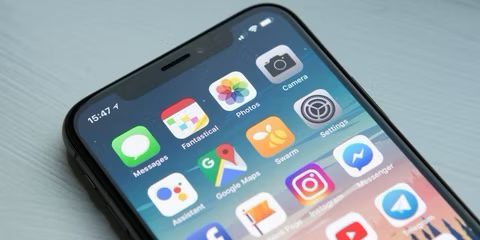
By default your iPhone will update apps automatically. Sometimes this doesn’t happen. In this case, you can update your apps manually. Head over to the App Store on your iPhone and tap on your profile icon to view the list of all apps that have available updates. Tap on the “Update” option next to the affected app and see if the update completes.
Check Internet Connection
If your attempt to manually updating the apps failed, there’s a chance that the issue is related to your internet connection. Check to see if your internet is working. This is easily performed by trying to access various websites or apps that use the internet on your iPhone. If other apps work fine with the internet, that’s a good indicator that the issue is related only to the App Store app and perhaps either a server issue. Note that some apps that are over 200 MB in size may fail to automatically or manually update over a cellular connection.
Disable Your VPN
If you’re using a VPN, try turning it off. I’ve personally encountered an issue where my iPhone apps won’t update and the culprit was my VPN. Disabling the VPN for a moment and trying the update again resolved the issue.
Here’s what you can do:
- Open the Settings app on your iPhone.
- Tap General.
- Tap VPN & Device Management.
- Tap VPN.
- If the status says "connected," tap the switch so that it says "Disconnected."
Open the App Store and try updating your apps.
If the apps start updating after disconnecting the VPN:
- This suggests that the VPN was causing the issue.
- To confirm, go back to Settings and turn the VPN on again.
- Then, try updating your apps again. If the iPhone can’t update apps, your VPN may be the root cause.
If you need to keep using a VPN, consider switching to a different server or a more reliable VPN service. If turning off the VPN didn’t fix the issue, move on to the next troubleshooting step.
Pause/Cancel Download and Retry
This troubleshooting step is for those people who’re unable to finish updating iPhone apps that have already been initiated. If the app update is stuck on your iPhone, you can cancel the update and restart the download. To do this, simply long-press on the affected app and choose either “Pause Download” or “Cancel Download”. If you’re cancelling, head over to the App Store and try to manually update the app. Pausing and resuming can be quickly done by tapping on the app icon during an update too.
Reboot Your iPhone
Have you tried turning it off and on again? It’s amazing how many problems can be resolved with a simple restart. A reboot can fix minor software glitches within iOS that may prevent your iPhone apps from updating.
If your iPhone has a Home button, press and hold the power button until slide to power off appears on the screen. If your iPhone doesn’t have a Home button, press and hold either volume button and the Side button simultaneously until slide to power off appears.
In either case, swipe the red power icon from left to right to shut down your iPhone. Wait about thirty seconds, then press and hold the power button (iPhones with a Home button) or Top button (iPhones without a Home button) again to turn your iPhone on again.
If this didn’t work either, you can additionally try a force restart, which is slightly different from a regular reboot and requires a combination of button presses. On Touch ID devices, you can simply press and hold the power button and home button simultaneously until you see the Apple logo on the screen. As for the newer Face ID devices, you’ll need to click the volume up button first, followed by the volume down button, and then hold the side/power button until the Apple logo shows up to properly force reboot.
Uninstall and Reinstall the App
rebooting your iPhone didn’t work? In that case, you can take things up a notch and uninstall the app from your iPhone. Once done, go to the App Store and redownload the app from scratch. This particular troubleshooting step is good enough to fix the updating issues most of the time.
To delete an app, press and hold on its app icon until the menu appears. Then, tap Remove App -> Delete App -> Delete. This will uninstall the app on your iPhone.
Once the app has been deleted, open the App Store and tap on the Search tab in the lower right-hand corner of the screen. Type the name of the app into the Search bar, then tap the reinstallation button to the right of the app. It’ll look like a cloud with an arrow pointing down out of it.
Reset Network Settings
If you’re still having trouble updating apps on your iPhone, resetting your network settings might help. This will erase all saved Wi-Fi networks, VPN configurations, and cellular settings, giving you a fresh start in case any misconfigured settings are causing the issue.
Here’s how to reset your network settings:
- Open the Settings app on your iPhone.
- Go to General.
- Scroll down and tap Transfer or Reset iPhone.
- Tap Reset.
- Select Reset Network Settings.
- Enter your passcode if prompted, then confirm the reset.
Your iPhone will restart, and you’ll need to reconnect to Wi-Fi. Once you’re back online, open the Facebook app and try updating your apps again.
By now, you should’ve fixed the app update issues that you were facing on your iPhone. Although we were focusing primarily on the iPhone in this particular article, these troubleshooting steps can be used if you’re facing these issues on an iPad too, since iPadOS is just iOS relabeled for the big-screen tablet device.
Sometimes, when you’re unable to update apps on an iPhone or iPad, you may get a message saying “your account is disabled in the App Store”. This is mostly due to the payment method that’s used for App Store purchases. If this happens to you, do not edit any of your account information or payment information, and just contact Apple Support for further assistance at the earliest.
Which of these troubleshooting methods worked for you? Do you have any additional tips that may help in these situations? Feel free to share your experiences and drop your valuable opinions in the comments.