


- If your iPhone speaker is not working, there are some simple ways to troubleshoot possible problems.
- To fix, make sure that the speaker isn’t muted with the ringer switch, Foocus, or Do Not Disturb mode.
- You should also make sure AirPlay isn’t enabled and your phone isn’t connected to a Bluetooth audio accessory.
A lot of the day-to-day tasks on your iPhone revolve around functional speakers. When your iPhone speakers aren’t working, you can’t listen to music, talk to someone on speakerphone, listen to your voicemails, or hear the alerts you receive. This problem can be incredibly frustrating, but it can also be fixed. In this article, I’ll explain why your iPhone speakers are not working and walk you step-by-step through how to fix the problem.
Is My iPhone Speaker Broken?
How can you tell whether you have a problem with your speakers (i.e., most likely a hardware issue) or with the volume? Before we run through some fundamentals, narrow down where the problem is with this simple iPhone speaker test.
Connect your headphones by plugging them in or connecting via Bluetooth. If you can hear music through them but not when you disconnect them, there’s likely something wrong with your speakers.
There are two ways to check this. The first is by looking at the symbols shown on your volume bar. Disconnect any headphones, then navigate to Settings > Sounds & Haptics (or Sounds on iPhone 6s and earlier) and drag the slider below Ringtone And Alerts section. You should hear some audio — if you don’t, you may need to seek service from Apple’s customer service.
What Causes iPhone Speakers To Stop Working?
Software
If the software is malfunctioning, your iPhone may not be sending the proper signals to the speaker, so the speaker doesn’t work at all or your iPhone speaker is muffled. Here’s the good news: Most software problems can be fixed at home. Unfortunately, the hardware is a different story.
Hardware
one of the most damage-prone components on iPhones. Speakers make sound waves when a very thin piece of material vibrates very, very quickly. If the material is damaged in any way, your iPhone speaker can stop working entirely, start to make static noises, or make your iPhone speaker muffled.
I recommend that you try to fix the iPhone’s software before replacing the speaker itself. Software is free to fix and speakers are not, but that’s not the only reason why. If there is a software problem, we could replace the speaker again and again and the iPhone still wouldn’t play sound.
This happens all the time to people who replace their iPhone batteries and are surprised when their battery drains just as fast or even faster. Later, they realize the battery drain problem was being caused by software all along.
How To Fix iPhone Speaker Problems
1. Make Sure Your iPhone Isn’t On Silent
If your speaker is making some sounds but doesn’t ring when you receive a phone call, make sure that your iPhone isn’t On silent. To check, take a look at the Ring / Silent switch on the left side of your iPhone. If the switch is pulled toward the screen, your iPhone’s ringer is turned on. If the switch is pushed toward the back of the iPhone, your iPhone is on silent and you’ll see a small orange stripe next to the switch. Flip the switch towards your iPhone screen to disable silent mode.
If your iPhone has an Action button, go to Settings -> Sounds & Haptics and make sure that Silent Mode is turned off.
See also: How to Mute iPhone & Turn Off All Sound: Complete Guide
2. Make Sure Your iPhone Isn’t on Focus Or Do Not Disturb
If your speaker is still not working, you should make sure your iPhone isn’t in a Focus mode like Do Not Disturb. Swipe down from the top of the screen to see the Control Center and make sure the Focus button says Focus rather than another setting. If it says Do Not Disturb, Personal, or another setting, tap it to disable Focus mode.
3. Make Sure The Volume Is All The Way Up
if you are still experiencing problem, make sure that the volume on your iPhone is all the way up. You or someone else may have just accidentally muted your iPhone!
On the side of your iPhone, you’ll see two long, thin volume buttons. You can use them to turn the volume up or down on your iPhone. Press and hold the volume up button (the upper one). When you do, a volume pop-up should appear on the screen indicating that the volume has been turned up all the way.
To turn up your iPhone’s ringer volume, open Settings and tap Sounds & Haptics. The slider under Ringtone And Alerts controls the ringer volume on your iPhone. The farther you move the slider to the right, the louder your ringer volume will be!
4. Make Sure Your iPhone Isn’t Stuck On Headphones Mode
There’s a chance that your iPhone is stuck in headphones mode, so audio isn’t being played through the speakers. To get your iPhone out of headphones mode, simply plug in a pair of headphones and unplug them again. This seems fairly obvious, but doing so could prompt your iPhone to recognize that the headphones have been unplugged this time, thereby taking it out of headphone mode. This is one of the most common fixes for the issue and tends to do the trick many times, so it’s worth a try.
5. Restart your iPhone
If you’ve gotten this far and the speaker is still not working properly, you might have a glitch that’s best resolved by turning your iPhone off and then back on again. That can flush out any corrupt data or glitchy software that might be causing your speaker to fail to work properly. Restart your iPhone and then test your speaker again.
6. Make Sure Sound Isn’t Playing Somewhere Else
Perhaps your speakers are fine, but the sound is going through another device. If you have Bluetooth enabled, your iPhone might send everything to a hands-free unit in your vehicle, through AirPods, or similar.
Go to Settings > Bluetooth to see a list of connections. Disable any Bluetooth headphones, speakers, or other devices that you don’t want to play through.
You can also turn Bluetooth off altogether by toggling the button at the top. However, this will cut off other connections, such as smartwatches. Tap a connected device to disconnect it, or select the i on the relevant device and choose Forget This Device to prevent it from pairing in the future.
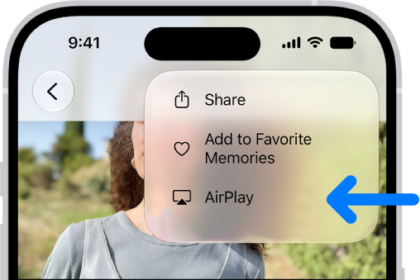
It’s also possible that your iPhone is sending audio to an AirPlay device. To check, swipe down from the top of the screen to see the Control Center and then tap the AirPlay icon at the top right of the music playback section. If another device is receiving audio with AirPlay, tap iPhone to revert back to your own device.
Likewise, it’s possible that your iPhone is trying to send audio to an accessory like headphones or earbuds. The easiest way to solve this problem is to make sure no accessories are plugged into your iPhone.
7. Clean Out All The Speakers
If your iPhone’s speakers sound muffled or they have no sound at all, let’s clean them. Lint, dirt, and debris can obstruct the speakers on your iPhone.
Make sure to clean each speaker carefully. There is one speaker in the earpiece, and one at the bottom next to the charging port. An anti-static brush or a brand new toothbrush is the best tool to get the job done.
If you need to get water out of your iPhone speakers, stand your phone at about a 45 degree angle with the speakers facing down. Use a lint-free cloth to catch any drips; any other absorbent material, including cotton balls, could further damage your device. If you think there’s still water in any recesses, gently tap your device with the charging port facing down. Consider placing it near a small fan to increase air circulation.
Despite what you might have heard, you shouldn’t seal your phone in a bag filled with rice. This can further corrode elements in your smartphone. However, you can try silica gel. You’ll often find packets of this in new pairs of shoes, because they soak up moisture. Be careful using these around children or animals as they are dangerous if consumed.
While it can be effective, Apple’s cleaning instruction page advises against using an air compressor or canned air to clean your device.
Make sure to test your iPhone’s speakers again after cleaning. If you find that your iPhone speakers still are not working, move onto the next solution.
8. Back Up Your iPhone And Put It In DFU Mode
Before you run to your local Apple Store to get a hardware repair done, let’s make sure we’re absolutely certain that the speaker is broken. A DFU restore is the last step you can take to completely rule out any type of software problem causing your iPhone speaker to stop working.
First, backup your iPhone. A DFU restore erases then reloads all the code on your iPhone. You’ll want a recent iPhone backup so you don’t lose your contacts, photos, messages, and more.
You can follow this guide to back up your iPhone.
After you’ve backed up your iPhone, follow these instructions to put your iPhone in DFU mode.
After the DFU restore is complete, try to play music or use your speakerphone. If the iPhone’s speakers still don’t work, it’s time to get them repaired.
9. Repair Your iPhone Speaker
If your iPhone speakers still aren’t working after performing a DFU restore, it’s time to get them repaired. Take your iPhone into the nearest Apple Store and have someone at the Genius Bar take a look at it. Just make sure to schedule an appointment first!
iPhone Speakers: Fixed!
Hopefully, now that you’ve reached the end of this article, your iPhone speakers are working again. We encourage you to share this article on social media to help your friends and family when their iPhone speakers are not working. If you have any extra questions, leave a comment down below!
See also: No Sound Coming From Your iPhone? Here’s How To Fix It