



When an iPad’s speaker stops working, so do many of the features that make the iPad so great. The music stops playing, you can’t make FaceTime calls, and you don’t hear a "ding" when you receive a text message or an email, or maybe your iPad speaker is muffled. One thing’s for sure: Your iPad uses its speaker a lot. In this article, I’ll explain what to do when an iPad speaker is not working so you can fix the problem for good.
Is My iPad Speaker Broken?
At this point, we simply don’t know. Broken and not working are two different things. You should try to do an iPad speaker test just to see if no sound will come out of your iPad at all or only a few sounds. Test your notification sounds, media sounds, and check to see if your iPad speaker is not working during FaceTime calls.
To determine why your iPad speaker won’t work, it’s necessary to understand the two things that happen every time your iPad makes a sound:
- Software: Your iPad’s software decides which sound to play and when to play it.
- Hardware: The built-in speakers on your iPad convert the software’s instructions into sound waves you can hear.
What Causes iPad Speakers To Stop Working?
Software
If the software is malfunctioning, your iPad may not be sending the proper signals to the speaker, so the speaker doesn’t work at all or your iPad speaker is muffled. Here’s the good news: Most software problems can be fixed at home. Unfortunately, the hardware is a different story.
Hardware
Speakers are one of the most damage-prone components on iPads. Speakers make sound waves when a very thin piece of material vibrates very, very quickly. If the material is damaged in any way, your iPad speaker can stop working entirely, start to make static noises, or make your iPad speaker muffled.
How Do I Know Whether It’s A Hardware Or Software Problem?
When I worked with customers with speaker problems, I would always try to fix the iPad’s software before replacing the speaker itself. Software is free to fix and speakers are not, but that’s not the only reason why. If there is a software problem, we could replace the speaker again and again and the iPad still wouldn’t play sound.
This happens all the time to people who replace their iPad batteries and are surprised when their battery drains just as fast or even faster. Later, they realize the battery drain problem was being caused by software all along.
How To Fix iPad Speaker Problems
1. Turn Off Silent Mode And Check Do Not Disturb
It happens all the time. A customer comes into the Apple Store and we fix the problem by turning off Silent Mode and turning the volume up. If your speaker is making some sounds but doesn’t ring when you receive a FaceTime call, check your notification settings.
To turn off Silent Mode on iPad, swipe down from the top-right corner of the screen to open Control Center. Look for the bell icon — if it has a line through it, Silent Mode is on. Tap it to turn Silent Mode off. You can also go to Settings > Sounds and toggle Silent Mode off from there.
You should also make sure Do Not Disturb isn’t silencing your notifications. Open Settings, tap Focus, then tap Do Not Disturb and make sure it’s turned off. You can also check this from Control Center by tapping the Focus button.
2. Make Sure The Volume Is All The Way Up
It’s easy to accidentally turn the volume all the way down on your iPad, especially if you’re using a big, bulky case. Unlock your iPad and press the volume up button until the volume is turned all the way up. On many newer iPads, the volume buttons are dynamic — the button closest to the top button increases volume, and they adjust automatically as you rotate your iPad.
If the volume isn’t turning up even as you hold down the volume up button, open the Settings app and tap Sounds. Make sure the switch next to Change with Buttons is turned on (you’ll know it’s on when it’s green).
While you’re in the Sounds settings, drag the Ringtone and Alerts slider back and forth a few times. If you don’t hear any sound, or if the speaker icon on the slider is dimmed, your speaker might need service.
If you turn the volume all the way up and you hear sound playing very, very quietly, your speaker is damaged. Skip to the last step to learn about your repair options.
3. Clean Your Speakers And Check For Obstructions
Remove all screen protectors, films, or cases from your iPad. Check the speaker openings to see if they are blocked or dirty. If necessary, clean the speaker openings with a small, soft-bristled brush. Make sure the brush is clean and dry.
A note about speaker placement: Not all iPads have speakers in the same location. The base model iPad has speakers on the bottom edge, while iPad Air models have speakers on the top and bottom edges for landscape stereo. iPad Pro models have a four-speaker system on all four edges. Make sure you’re checking all the speaker grilles on your specific model.
4. Make Sure Sound Isn’t Playing Somewhere Else (Yes, This Can Happen)
iPads automatically reconnect and play sound through Bluetooth speakers, Apple TVs, and other devices as soon as they come in range. Sometimes people don’t realize their iPad is playing sound through another device in their house or car. Here are two examples of how this can happen:
- You have an Apple TV that’s hooked up to your TV. At some point in the past, you used AirPlay to play music through your TV speakers. When you come home, your iPad reconnects to the Apple TV and continues streaming music through it — but the TV, and the speakers, are off.
- You use a Bluetooth headset in the car. When you go in the house, your iPad speaker suddenly stops working — or does it? In actuality, your iPad is still playing sound through the Bluetooth headset because you forgot to turn it off. (Watch out for Bluetooth speakers and AirPods, too!)
To make sure your iPad isn’t playing music somewhere else, we’ll turn off Bluetooth, disconnect from AirPlay devices (like your Apple TV), and try playing sound again. You can accomplish both using Control Center on your iPad.
To open Control Center, swipe down from the top-right corner of the screen. Tap the Bluetooth icon (in the connectivity group of controls) to turn off Bluetooth.
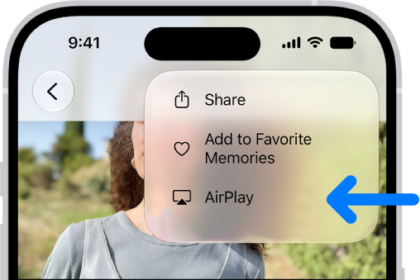
Next, look for the media playback controls in Control Center. Press and hold the media controls, then tap the AirPlay icon. Make sure iPad is the only selected output. If your speaker starts working again, you’ve fixed your iPad and discovered the cause of the problem.
New in iPadOS 26: There’s a helpful setting at Settings > General > AirPlay & Continuity called Keep Audio in Headphones that prevents audio from automatically switching to newly connected devices. Turning this on can prevent the problem of your audio unexpectedly routing to another device.
5. Force Restart Your iPad
Before jumping to a full restore, try force-restarting your iPad. This clears out temporary software glitches that may be preventing your speakers from working properly.
If your iPad does not have a Home button: Press and quickly release the volume button nearest to the top button. Press and quickly release the volume button farthest from the top button. Then press and hold the top button until the Apple logo appears, and release.
If your iPad has a Home button: Press and hold both the top button and the Home button at the same time. When the Apple logo appears, release both buttons.
6. Restore Your iPad
If a force restart didn’t help, there’s only one way to be absolutely sure your speaker is broken, and that’s to restore your iPad. Back up your iPad first, then follow these steps to put your iPad into recovery mode:
- Connect your iPad to a Mac or PC using a USB cable.
- Open Finder on a Mac (macOS Catalina or later) or the Apple Devices app on a PC. If your PC doesn’t have the Apple Devices app, or your Mac is running macOS Mojave or earlier, open iTunes instead.
- Put your iPad into recovery mode:
- iPad without Home button: Press and quickly release the volume button closest to the top button. Press and quickly release the volume button farthest from the top button. Press and hold the top button until you see the recovery mode screen.
- iPad with Home button: Press and hold both the Home and the top buttons at the same time. Keep holding until you see the recovery mode screen.
- When you see the option to Update or Restore, choose Update first — this reinstalls iPadOS without erasing your data. If that doesn’t fix the issue, repeat the process and choose Restore.
After the restore finishes, you’ll know almost immediately if the problem is solved. Make sure Silent Mode is off (see step 1) and the volume is all the way up (see step 2). You should hear keyboard clicks as soon as you start to type your Wi-Fi or Apple ID password as part of the setup process.
If you still don’t hear anything or your iPad speaker is still muffled, we’ve eliminated the possibility that your iPad’s software was causing the problem, and unfortunately, it means your iPad speaker is broken. But don’t despair — there are good options available for repairing an iPad speaker.
7. Repair Your iPad Speaker
If your iPad speaker is broken or your iPad speaker is muffled or won’t work during calls, the good news is that Apple does repair iPads both at Apple Stores and Apple Authorized Service Providers, and through their mail-in repair service at their support website. You can visit support.apple.com/ipad/repair to see your service options, estimated costs, and how long they take. If you go the Apple Store route, make sure you make an appointment first, because they can get really busy!
iPad, I Can Hear You!
By this point, we’ve either fixed your iPad’s software or we’ve determined that your iPad speaker is not working because of a hardware problem and you know how to get your iPad repaired. If you have time, share how you first realized your iPad speaker wasn’t working and which fix worked for you in the comments section below — that will help other people with the same problem.