




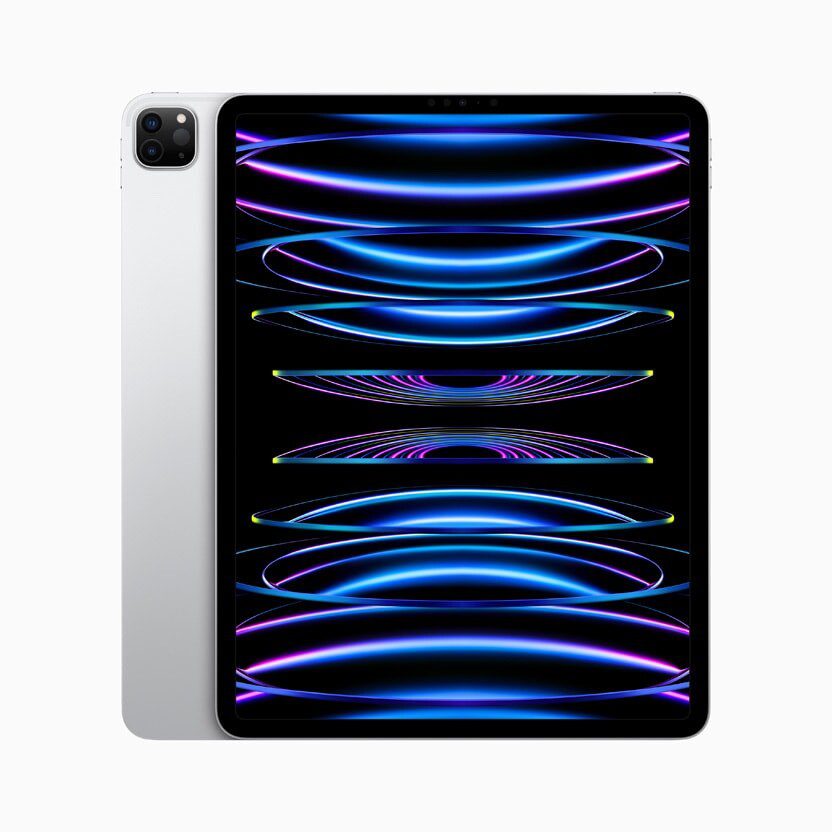
It’s natural to feel frustrated when your iPad touch screen is not working. You use your iPad to do many things, from watching videos to playing games — but don’t let your “touch screen troubles” get you down. In this article, I’ll explains why the touch screen on your iPad is not working and how to fix the problem.
Why is my iPad screen not responding to touch?
There are several reasons why your iPad screen may be unresponsive. Here are the most common reasons:
- Your iPad has a software bug.
- Your iPad screen is dirty.
- You are using a low-quality screen protector.
- A faulty or incompatible accessory is connected to iPad’s charging port.
- Your iPad is too hot or cold.
- Your iPad has a water damage.
- Hardware failure.
The touchscreen not working on your iPad isn’t always the result of a hardware failure. If your iPad touchscreen often isn’t working or fails to respond, there’s a lot you can do before getting professional help.
How to fix an iPad screen that’s unresponsive to touch
Here are are a few fixes to try if your iPad touchscreen is not working.
Force restart your iPad
Force restarting an iPad can solve a range of issues, including unresponsive touchscreen. Follow these steps:
- For an iPad without a Home button: Press and quickly release the volume up button. Press and quickly release the volume down button. Then, press and hold the top button until you see the Apple logo.
- For an iPad with a Home button: Press and hold both the Home and the top (or side) buttons at the same time. Continue to hold the buttons until you see the Apple logo.
After your iPad restarts, check if your problem is fixed. If the touch issues persist, continue reading.
Clean off your screen (and hands)
When you tap or swipe on your iPad’s screen with your bare finger, you complete an electric circuit at the point of contact. This causes a change in electrical charge at this spot, which is how your device registers touch.
Exposing your device to a dusty environment, using it after consuming oily food, or handling it with dirty hands can lead to a buildup of dirt on your iPad screen. Without regular cleaning, this accumulation of dust, smudges, and debris can interfere with normal operation of your iPad.
So, if your iPad’s screen doesn’t respond to touch in certain areas or completely, power it down and clean off any debris from the screen using a microfiber cloth or another kind of soft, lint-free cloth. Make sure that you’ve dried the screen thoroughly. Any water or moisture on the surface of the display can confuse the screen and make it impossible to detect your fingers.
Also, make sure your hands are clean and dry when you’re using your iPad. If your fingers are wet, the touch screen may not respond to touch.
Remove your case and screen protector
The iPad’s touchscreen may seem robust enough to work flawlessly virtually all the time, but it only works properly in a surprisingly narrow set of conditions. For example, the touchscreen can stop working if you apply a screen protector that’s too thick, making it impossible for the screen to sense the electrical capacitance in your fingers.
If the touchscreen isn’t working or is working intermittently remove anything on or around the screen, including the case and any screen protector that’s keeping the screen from getting scratched. If it works after removing those accessories, get a different case and/or look for a thinner screen protector.
Avoid extreme temperatures
Touchscreens can be sensitive to temperature, and if you are using your iPad in extreme temperature conditions, such as in freezing temperatures or in blistering summer heat that’s over 100 degrees, the touchscreen might misbehave.
Apple recommends using an iPad within the ambient temperature range of 32ºF to 95ºF (0ºC to 35ºC). If the temperature falls below the minimum threshold or exceeds the maximum, your iPad may exhibit unusual behavior as it attempts to regulate its temperature. Display issues, including touchscreen problems, can be caused by an overheating iPad.
Exposing your device to direct sunlight, placing it directly in front of an air cooler, or subjecting it to extreme weather conditions can cause your touchscreen to become unresponsive. If your iPad feels too hot, allow it to slowly cool down in a colder room, or slowly warm it up in a warmer place if it’s too cold. Your device may start responding once it returns to the ambient temperature range.
Don’t use heat sources like refrigerators or hair dryers to cool down or warm up an iPad. Sudden temperature changes can cause condensation to form inside your device, which can lead to permanent damage. Let your device naturally cool down or warm up.
Disconnect any accessories from the charging port
On rare occasions, an accessory plugged into the iPad’s charging port could cause touchscreen issues. So, if you have headphones, keyboard, microphones, or any other accessory connected to your device, disconnect them and see if your iPad’s touchscreen starts working again.
If your touchscreen starts responding after disconnecting the accessory, it means that the accessory is likely faulty or incompatible. Therefore, stop using it and consider replacing it with an approved accessory instead.
Factory reset your iPad
If your iPad has recently stopped responding to your touch and nothing else so far has worked, it’s possible there’s a serious hardware issue and the device needs to be repaired or replaced.
But before you investigate that drastic option, you might want to perform a factory reset. This will reset the iPad back to the state it was in when you first took it out of the box it’ll wipe out all software updates, installed apps, and your personal data. That’s not a problem if you have your iPad set to perform regular cloud backups, but beware that this could result in the permanent loss of any data since the last backup. Even so, at this point you might not have a lot to lose.
Without the ability to use the iPad’s touchscreen, you’ll need to start the factory reset on a computer. Follow these steps:
- On a Mac with macOS Catalina, open the Finder. On a Mac with macOS Mojave or earlier, or on a PC, open iTunes.
- Connect your iPad to a computer with a cable.
- For an iPad without a Home button: Press and quickly release the volume up button. Press and quickly release the volume down button. Then, press and hold the top button. Continue to hold while the Apple logo appears and don’t let go until an image of a computer and cable appears.
- For an iPad with a Home button: Press and hold both the Home and the top (or side) buttons at the same time. Continue to hold while the Apple logo appears and don’t let go until an image of a computer and cable appears.
- On your computer, locate your iPad in the Finder or in iTunes.
- Choose Restore when you see the option to Restore or Update.
Get Your Device Inspected
If none of the previous solutions resolve the iPad touchscreen issue, your device may have a hardware problem. For example, if you’ve dropped your iPad recently, you may have damaged the screen. A cracked display is one of the most obvious signs of a damaged screen and can cause all sorts of issues with the touch screen. A drop can also loosen or damage the delicate under-layers of your iPad touch screen.
If your iPad was recently exposed to water or any other liquid, then your screen may be unresponsive due to water damage. In such cases, it’s best to take your iPad to the nearest Apple Store as soon as possible and get it checked. Make sure to set up an appointment first if you decide to visit the Apple Store.
Conclusion
In most cases, fixing an iPad touch screen that’s not working is easy. Hopefully our guide has helped you fix your iPad’s touchscreen, or at least narrow down the issue.